“You only get one chance at settlement, so take whatever the bank offers!” Sound familiar? This myth has cost borrowers lakhs of rupees because they rushed into bad deals, thinking it was their only shot at freedom.
Here’s the truth that banks don’t want you to know: loan settlement is NOT a one-time offer. You can negotiate multiple times, banks often come back with better offers, and the “take it or leave it” pressure is just another psychological tactic to make you accept higher settlement percentages.
Let me break down the biggest misconceptions about settlement offers and show you the real rules of the game in 2025.
Myth 1: “Banks Only Make One Settlement Offer”
The Myth:
“Sir, this is our final offer. We can’t negotiate further. If you don’t accept this settlement percentage, we’ll withdraw the offer permanently.”
The Reality:
Banks make multiple settlement offers throughout the default lifecycle. What they call “final offers” are just pressure tactics to get you to accept higher percentages quickly.
How Banks Actually Operate
Month 1-6 of Default:
– First offers: 80-90% of outstanding (testing your desperation level)
– Standard response: “We don’t do settlements, pay full amount”
Month 7-12 of Default:
– Second wave offers: 70-80% (account becoming problematic)
– Recovery agents get more flexible
Month 13-24 of Default:
– Third wave offers: 50-70% (NPA pressure mounting)
– Senior officials get involved
Month 25+ of Default:
– Fourth wave offers: 30-60% (write-off pressure)
– Real negotiations begin
Real Example: Suresh’s ICICI Credit Card Journey
– Month 3: Bank offered 85% settlement (₹4.25 lakhs on ₹5 lakh debt)
– Month 8: Same bank offered 75% settlement (₹3.75 lakhs)
– Month 14: Bank offered 60% settlement (₹3 lakhs)
– Month 22: Bank accepted 35% settlement (₹1.75 lakhs)
Same bank, same debt, four different “final” offers.
Myth 2: “If You Reject a Settlement Offer, You’re Blacklisted”
The Myth:
“If you don’t accept our settlement offer today, we’ll mark you as a difficult customer and never negotiate again.”
The Reality:
Banks keep trying to collect because recovering something is always better than writing off everything. Rejecting settlement offers doesn’t blacklist you – it often leads to better offers.
Why Banks Keep Coming Back
Business Reality Check:
– Write-offs hurt bank profitability more than low-percentage settlements
– Recovery costs increase over time, making settlements more attractive
– Quarterly NPA targets create settlement pressure
– Recovery agents get paid only when they collect something
The Negotiation Cycle:
1. Bank makes high-percentage offer
2. Borrower rejects or counters
3. Bank “withdraws” offer dramatically
4. 2-4 weeks pass
5. Different recovery agent calls with “better” offer
6. Process repeats until realistic settlement range
Case Study: Priya’s Personal Loan Experience
– Month 6: HDFC demanded full ₹8.5 lakhs
– Month 9: Offered 80% settlement, Priya rejected
– Month 11: “Final offer” of 70%, Priya rejected
– Month 14: “Last chance” 60% offer, Priya rejected
– Month 18: Different manager offered 45%, Priya negotiated to 38%
Result: Patience and strategic rejection saved ₹3.57 lakhs.
Myth 3: “Settlement Windows Have Strict Time Limits”
The Myth:
“This settlement offer is valid only for 7 days. After that, it expires forever and you’ll have to pay full amount.”
The Reality:
Settlement “deadlines” are artificial pressure tactics. Banks routinely extend deadlines and make new offers because their goal is recovery, not punishment.
Understanding Artificial Deadlines
Why Banks Use Deadlines:
– Create urgency to prevent borrowers from seeking advice
– Pressure borrowers into quick decisions
– Stop borrowers from arranging better settlement funds
– Prevent comparison shopping across multiple debts
What Actually Happens When Deadlines Pass:
– Nothing. Absolutely nothing.
– Same offer often remains available
– New offers frequently appear within weeks
– Banks continue normal recovery activities
Timeline Reality:
Settlement negotiations can happen throughout the entire default lifecycle. Even after 2-3 years of default, banks still negotiate settlements because:
– Legal recovery is expensive and uncertain
– Write-offs require regulatory compliance
– Partial recovery beats total loss
Myth 4: “Once You Start Settlement Talks, You Can’t Change Your Mind”
The Myth:
*”Since you’ve expressed interest in settlement, you can’t go back to regular EMI payments. We’ve already marked your account for settlement processing.”*
The Reality:
You can switch between settlement discussions and regular payment attempts at any time. Banks prefer regular payments over settlements.
Your Flexibility Rights
Legal Position:
– No binding obligation until written settlement agreement is signed
– Verbal discussions don’t create legal commitments
– You can resume EMI payments anytime
– Banks must accept regular payments if offered
Strategic Advantage:
Using payment flexibility as leverage: “I can arrange regular EMIs starting next month, but if you’re open to settlement discussion, I can offer ₹X for immediate closure.”
Real Example: Kavya’s Business Loan Strategy
– Started settlement discussions with SBI in Month 8
– Paid 2 regular EMIs in Month 10-11 (to show good faith)
– Resumed settlement talks in Month 12 with stronger position
– Bank offered better terms because of payment demonstration
Myth 5: “Banks Have Fixed Settlement Percentages”
The Myth:
“Our bank policy only allows 60% settlements. We can’t go below that percentage for any customer.”
The Reality:Settlement percentages are highly flexible and depend on individual circumstances, negotiation skills, and timing. Banks have internal guidelines, not rigid rules.
Factors Affecting Settlement Percentages
Bank-Specific Variables:
– Public Sector Banks: 30-80% range (more rigid policies)
– Private Banks: 20-70% range (more flexible)
– NBFCs: 15-60% range (highest flexibility)
– Credit Card Companies: 08-65% range (varies widely)
Borrower-Specific Variables:
– Financial hardship severity
– Documentation quality
– Negotiation approach
– Payment timing (immediate vs. installments)
– Relationship history with bank
Market-Specific Variables:
– Quarter-end pressure
– Bank’s NPA targets
– Recovery agency policies
– Economic conditions
Actual Settlement Range Data (2025):
– Credit Cards: 08-75% of outstanding
– Personal Loans: 25-80% of outstanding
– Business Loans: 20-70% of outstanding
– Secured Loans: 80-90% of outstanding
Myth 6: “OTS (One-Time Settlement) Means You Can Only Do It Once”
The Myth:
“One-Time Settlement means this is your only chance ever. If you don’t take it now, no bank will ever offer settlement again.”
The Reality:
“One-Time Settlement” refers to the payment method (lump sum), not the frequency of offers. You can have multiple OTS offers on the same debt and different debts.
Understanding OTS Terminology
What “One-Time” Actually Means:
– Payment in single lump sum (not installments)
– Immediate closure upon payment
– No future EMI obligations
– Complete settlement in one transaction
What “One-Time” Does NOT Mean:
– Only one opportunity ever
– Can’t negotiate terms
– Can’t reject and get better offers
– Lifetime restriction on settlements
Multiple OTS Reality:
– Same debt can have multiple OTS offers
– Different banks can offer OTS simultaneously
– Can do OTS on multiple debts at different times
– No regulatory limit on settlement frequency
Myth 7: “Settlement Offers Get Worse Over Time”
The Myth:
“Banks start with their best offers. If you wait, settlement percentages will only increase.”
The Reality:
Settlement offers generally improve over time as banks become more desperate to recover something rather than write off everything.
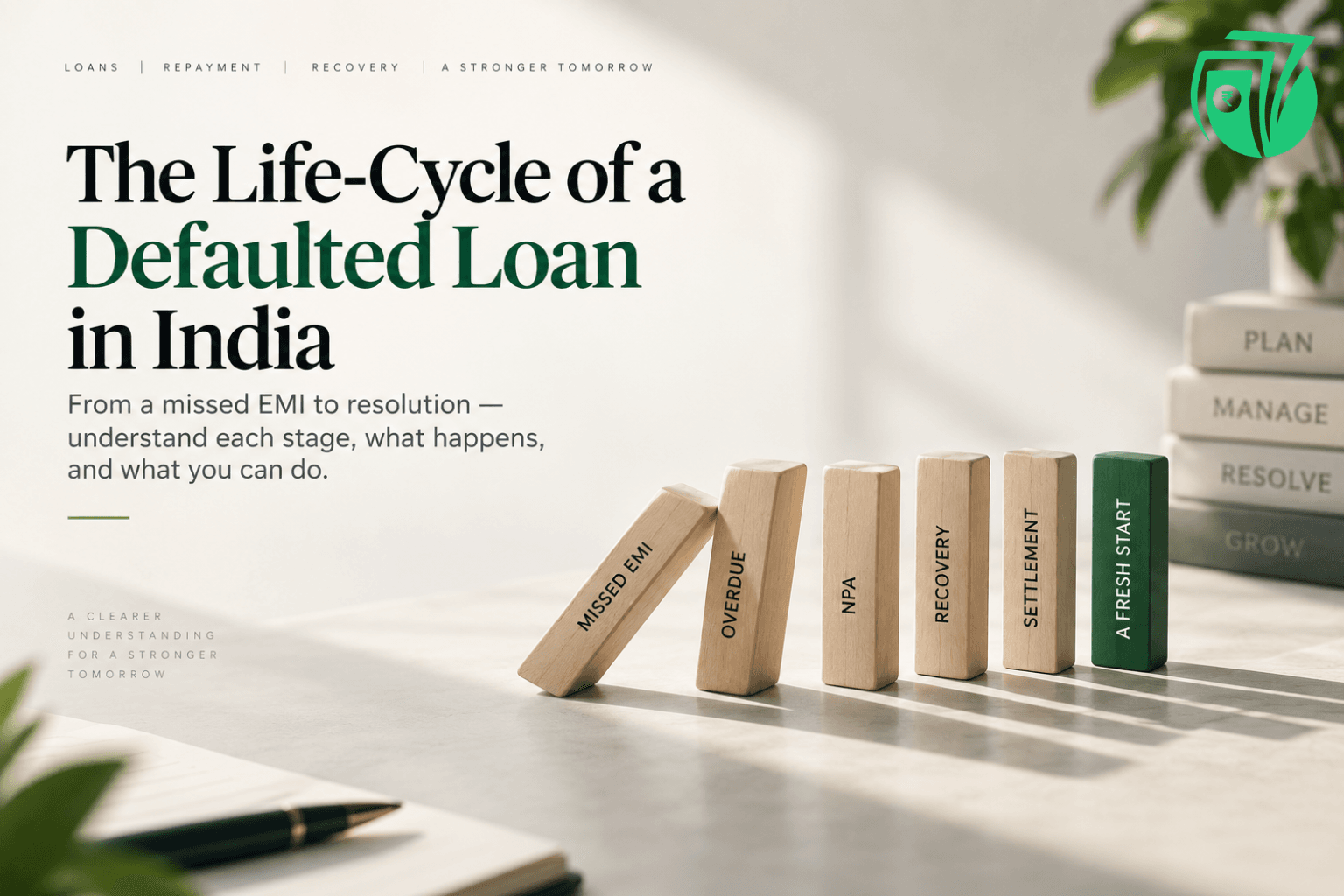
The Settlement Improvement Timeline
Why Offers Improve
– Provisioning Costs: Banks must set aside money for bad debts
– Recovery Expenses: Collection costs increase over time
– Write-off Pressure: NPAs hurt bank metrics
– Opportunity Cost: Money tied up in bad debts can’t be lent profitably
Typical Improvement Pattern:
– Month 1-6: 80-90% demands (hope for full recovery)
– Month 7-12: 70-80% offers (reality setting in)
– Month 13-18: 50-70% offers (NPA classification pressure)
– Month 19-24: 40-60% offers (write-off consideration)
– Month 25+: 25-50% offers (damage control mode)
Exception: Secured loans may have different patterns due to asset backing.
The Multiple Offer Strategy: How to Use This Knowledge
Phase 1: Information Gathering (Months 1-6)
Don’t rush into early settlement offers. Use this time to:
– Document financial hardship thoroughly
– Research bank’s settlement patterns
– Calculate your maximum settlement capacity
– Prepare professional negotiation approach
Phase 2: Strategic Patience (Months 7-12)
Let offers come to you while gathering leverage:
– Allow account to age into clear NPA status
– Reject high-percentage offers professionally
– Build documentation of inability to pay full amount
– Create pressure through Banking Ombudsman complaints if needed
Phase 3: Active Negotiation (Months 13-18)
Start serious settlement discussions:
– Make professional counter-offers
– Use multiple bank competition if applicable
– Demonstrate immediate payment capacity
– Negotiate terms, not just percentages
Phase 4: Deal Closure (Months 19+)
Close deals when banks are most flexible:
– Banks face maximum write-off pressure
– Recovery costs have mounted significantly
– Your position is strongest for low-percentage settlements
Advanced Settlement Tactics Using Multiple Offers
The Benchmarking Strategy
“XYZ Bank offered me 15% settlement on a similar amount. Can you match that for immediate closure?”
The Deadline Reversal
“I appreciate the offer, but I need time to arrange funds. Can you extend the deadline by 30 days for my final decision?”
The Improved Offer Request
“I’m committed to settling this, but 60% exceeds my liquidation capacity. What’s the lowest percentage you can approve for immediate payment?”
The Competition Creation
“I’m settling multiple debts and need to prioritize based on the best settlement terms offered. What’s your most competitive percentage?”
Documentation Strategy for Multiple Negotiations
Track Every Offer
“`
Offer #1 (Month X): X% – Rejected
Reason for rejection: _____
Bank response: _____
Offer #2 (Month Y): Y% – Countered with Z%
Bank response: _____
Negotiation status: _____
“`
Professional Communication Trail
Always follow up verbal offers with emails:
“As discussed, I understand you’re offering X% settlement. I’ll review this with my financial advisor and respond within Y days.”
Leverage Documentation
Keep records of:
– Financial hardship evidence
– Asset liquidation capacity
– Better offers from other banks
– Payment readiness proof
Red Flags: When Multiple Offers Might Not Work
Secured Loan Limitations
Banks with asset backing have less incentive to negotiate aggressively.
Very Small Amounts
Debts under ₹50,000 may get written off rather than settled.
Fraudulent Cases
If banks suspect fraud, settlement options become limited.
Wilful Defaulter Classification
Legal classification as wilful defaulter restricts settlement opportunities.
The 2025 Settlement Landscape
New RBI Guidelines Impact
– More transparent settlement processes
– Standardized documentation requirements
– Improved borrower protection during negotiations
– Clearer credit bureau reporting standards
Technology-Driven Changes
– Digital settlement platforms
– AI-powered offer generation
– Automated negotiation systems
– Real-time settlement processing
Market Competition
– More NBFCs offering flexible settlements
– Fintech companies facilitating negotiations
– Increased competition improving borrower terms
#Your Multiple Offer Action Plan
Week 1: Assessment
– Review all current debt situations
– Identify which debts need settlement
– Calculate total settlement capacity
– Prioritize based on harassment levels
Week 2-4: Preparation
– Gather hardship documentation
– Research each bank’s settlement patterns
– Prepare professional negotiation materials
– Plan sequential approach strategy
Month 2-3: Initial Negotiations
– Engage with banks professionally
– Reject high-percentage offers strategically
– Document all offers and responses
– Build negotiation momentum
Month 4-6: Advanced Negotiations
– Leverage multiple offers against each other
– Create urgency through competition
– Secure written agreements
– Close deals at optimal percentages
Ready to Master the Multiple Offer Game?
The biggest mistake borrowers make is accepting the first settlement offer out of desperation or fear. Now you know the truth – banks will make multiple offers, percentages generally improve over time, and you have much more negotiation power than they want you to realize.
But knowing the strategy is only half the battle. Executing it professionally while managing the psychological pressure requires experience and expertise.
At TrueSettle, we’ve helped thousands of borrowers navigate multiple settlement offers to achieve the lowest possible percentages. We know exactly when to reject offers, how to create competition between banks, and how to leverage timing for maximum savings.
Don’t settle for the first offer when you could settle loan obligations for much less with patience and professional negotiation.
Contact TrueSettle today for a free consultation where we’ll show you exactly how to use multiple offer strategies to minimize your settlement amounts across all your debts.
Use our free debt relief calculator to see how much you could save by rejecting early offers and negotiating professionally over time.
Your settlement percentage isn’t fixed – it’s negotiable. Let’s make sure you get the best possible deal.