If you live in Delhi and are struggling to keep up with your EMIs, you are not navigating this alone. Borrowers across Delhi NCR — from Dwarka to Rohini, Laxmi Nagar to Saket — find themselves trapped in debt cycles that grow heavier with every passing month. Between compounding interest, relentless recovery calls, and the fear of legal notices, the pressure can feel genuinely suffocating.
Being in debt is not a crime. There is a legal, structured path out — and it is called loan settlement. This guide covers everything a Delhi borrower needs to know: what it means, how it works, what it costs your credit score, and how TrueSettle’s legal team protects you through every stage of the process.
What is loan settlement?
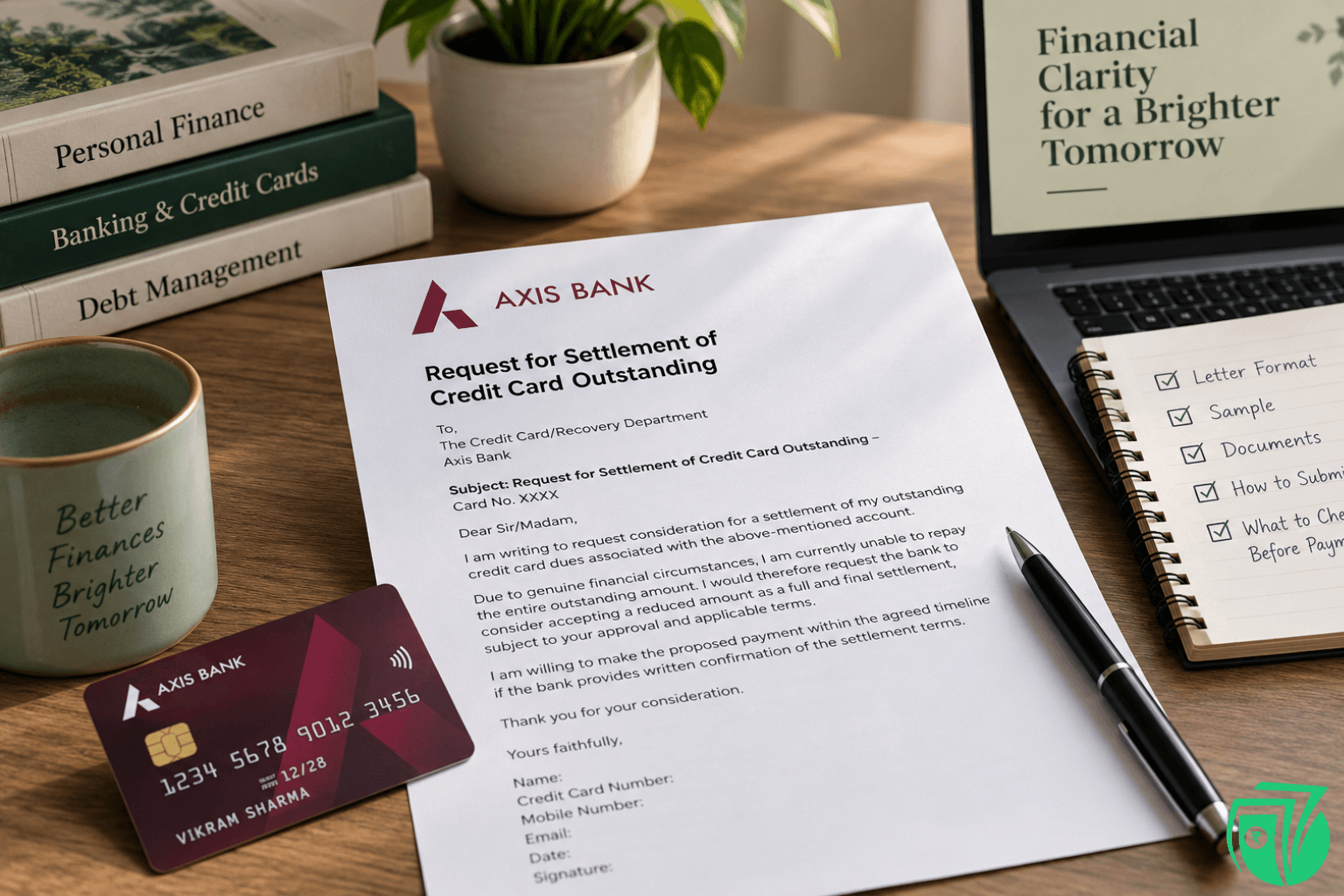
Loan settlement — formally known as a One Time Settlement (OTS) — is a legal agreement between a borrower and a lender where the bank or NBFC agrees to accept a lump sum payment that is less than the total outstanding dues, in exchange for permanently closing the loan account. This is not a waiver, and it is not fraud. It is a recognised banking practice explicitly permitted under Reserve Bank of India guidelines.
When a loan becomes a Non-Performing Asset (NPA), maintaining it on the bank’s books is expensive and recovery through litigation is slow and uncertain. Banks frequently prefer to recover 40–70% immediately through a negotiated settlement rather than spending years in court — often recovering less in the end.
The result for you as a borrower: your loan account is permanently closed, recovery harassment stops, and you pay significantly less than what you originally owed — all within a legally documented framework.
Who needs loan settlement in Delhi?
Loan settlement is a strategic tool for genuine financial distress — not a shortcut for anyone who simply prefers to pay less. It is most appropriate when you are facing one or more of the following situations:
- Job loss or a significant reduction in monthly income making EMI payment impossible
- A medical emergency that has drained your savings and repayment capacity
- Business failure or shutdown — particularly common in Delhi’s MSME sector post-pandemic
- A debt trap where you are borrowing from one source to repay another with no end in sight
- Active recovery agent harassment or legal notices — your loan may already be classified as NPA
If you have the financial means to repay and are simply choosing not to, settlement is not the right route. But if genuine hardship is the issue, it is a legitimate and powerful solution.
How much can you realistically save?
The savings depend on your loan type, the age of the default, the bank’s internal recovery policies, and the quality of negotiation. Here are realistic benchmarks based on TrueSettle’s experience across Delhi NCR:
| Loan Type | Typical Saving | Example (₹10 lakh loan) |
|---|---|---|
| Personal Loan | 30–50% | Settle at ₹4.5–6 lakh |
| Credit Card Debt | 10–25% | Settle at ₹1.0–2.5 lakh |
| Unsecured Business Loan | 25–45% | Settle at ₹5–7 lakh |
| Education Loan | 20–35% | Case-by-case |
The loan settlement process in Delhi — step by step
The settlement process follows a defined sequence. Understanding each stage helps you set realistic expectations and avoid being misled by agencies that promise overnight results.
- Financial assessment — TrueSettle reviews your complete loan portfolio, income status, and outstanding dues to identify which loans are eligible for settlement and at what realistic range.
- Legal representation — We formally notify your creditors that TrueSettle represents you. All bank communication is redirected to our office. Recovery harassment stops on day one.
- Hardship documentation — We compile your income proof, bank statements, termination letters, or medical records to build a credible hardship case for the bank’s credit committee.
- Bank negotiation — Our negotiators engage with the bank’s recovery officers and credit managers, presenting your case to secure the lowest possible settlement figure.
- Settlement letter review — Before any payment is made, our legal team reviews the settlement letter carefully for hidden clauses or conditions that could affect you later.
- Payment and closure — You pay the agreed amount directly to the bank. We then obtain the No Dues Certificate (NDC) confirming permanent closure of the account.
Settlement vs closure — know the difference
Many borrowers confuse loan settlement with loan closure. They are fundamentally different outcomes with different credit implications.
| Factor | Loan Settlement | Loan Closure |
|---|---|---|
| Amount paid | Less than total dues | Full outstanding amount |
| CIBIL status | Marked “Settled” | Marked “Closed” |
| Credit score impact | Temporary drop of 50–100 points | No negative impact |
| Best suited for | Financial distress, NPA accounts | Normal repayment scenario |
| Future loan eligibility | Reduced for 12–24 months | Unaffected |
The “Settled” tag is a real credit consequence and we never hide that from our clients. But it is significantly less damaging than a “Written Off” or sustained “Default” status — and with disciplined financial behaviour post-settlement, most borrowers are back on track within 18 to 24 months.
Types of loans TrueSettle settles in Delhi
Personal loans The most common settlement case across Delhi NCR. Since personal loans are unsecured — no collateral backs them — banks have a stronger incentive to negotiate once a loan becomes NPA. Savings of 30–50% are regularly achievable.
Credit card debt Credit card interest compounds at 30–40% annually. Outstanding balances can balloon rapidly. Banks frequently prefer settling for a reasonable principal amount rather than pursuing expensive legal recovery on a debt they may not fully recover anyway.
Unsecured business loans For Delhi’s entrepreneurs and MSMEs — particularly those affected by post-pandemic economic pressures — unsecured business loan settlement offers a dignified exit that avoids the severe consequences of formal insolvency proceedings.
Education loans Less common but possible in genuine hardship cases, particularly when employment has not materialised post-graduation and the borrower can demonstrate verifiable inability to repay.
Note: Secured loans (home loans, car loans) are harder to settle as banks can invoke the SARFAESI Act and seize the asset. However, legal counsel remains critical in these cases to ensure due process is followed and your statutory rights are protected throughout.
Your rights as a borrower under RBI guidelines
Even after defaulting, you retain enforceable legal rights as a borrower. The RBI has issued clear guidelines on recovery agent conduct that every Delhi borrower should know:
- Recovery agents can only contact you between 7:00 AM and 7:00 PM
- Abusive language, physical threats, or public shaming is illegal and actionable
- Agents cannot contact your family, friends, or employer to discuss your debt without your written consent
- Once you appoint a legal representative, the bank must communicate through them — not directly to you
- Seizure of secured assets requires proper legal notice under the SARFAESI Act — not unilateral action
If any of the above have been violated in your case, it is not merely a complaint — it is a legal cause of action. TrueSettle can take formal action against abusive recovery practices while simultaneously negotiating your settlement.
Understanding the CIBIL score impact
We believe in complete transparency. Yes, loan settlement will affect your credit score. When a loan is settled rather than fully repaid, it is reported as “Settled” to credit bureaus including CIBIL, Experian, and Equifax — this can lower your score by 50–100 points depending on your overall credit profile.
However, weigh this against the alternative. A prolonged “Default” or “Written Off” status is considerably more damaging, remains on your report for seven years, and makes future credit nearly impossible. A “Settled” account, combined with disciplined financial behaviour going forward, is a recoverable situation with a defined timeline.
How to rebuild your CIBIL score after settlement
Settlement is a reset, not an ending. Here is the phased roadmap TrueSettle guides every client through:
Months 1–3: Get a secured credit card against a fixed deposit. Use it for regular purchases and pay the full bill before the due date — every month without exception.
Months 3–9: Ensure every utility bill, insurance premium, and active EMI is paid on time. Each on-time payment contributes positively to rebuilding your payment history.
Months 9–18: Avoid applying for any new unsecured loans. Multiple hard inquiries during this period slow score recovery significantly.
Month 18+: Pull your CIBIL report and dispute any incorrect entries. At this stage most borrowers see meaningful score improvement and begin qualifying for new credit products.
Frequently asked questions
Is loan settlement legal in Delhi? Yes. Loan settlement is fully legal in India, governed by RBI guidelines and a standard banking practice for recovering Non-Performing Assets. It carries no criminal liability for the borrower.
Will loan settlement permanently damage my CIBIL score? No — the impact is temporary and recoverable. The “Settled” tag may reduce your score by 50–100 points. With consistent financial behaviour after settlement, most borrowers see meaningful improvement within 18–24 months.
How long does the settlement process take in Delhi? On average, 3 to 6 months. Older defaults or complex multi-loan cases may take longer.
Can the bank reject my settlement offer? Yes, banks can reject offers they find insufficient. Professional negotiation significantly improves acceptance rates by presenting a credible, well-documented hardship case.
What documents do I need? Aadhar and PAN cards, loan account statements, last 6 months of bank statements, and proof of hardship such as a termination letter, reduced salary slips, or medical records.
Can I get a new loan after settlement? Not immediately, but it is not a permanent ban. With consistent credit behaviour, most borrowers regain eligibility for new loan products within 2–3 years.
Is settlement better than bankruptcy in India? For most individuals, yes — substantially so. Bankruptcy carries sweeping and lasting legal consequences. Settlement resolves specific debts cleanly with a manageable and temporary credit impact, and requires no court involvement from the borrower.