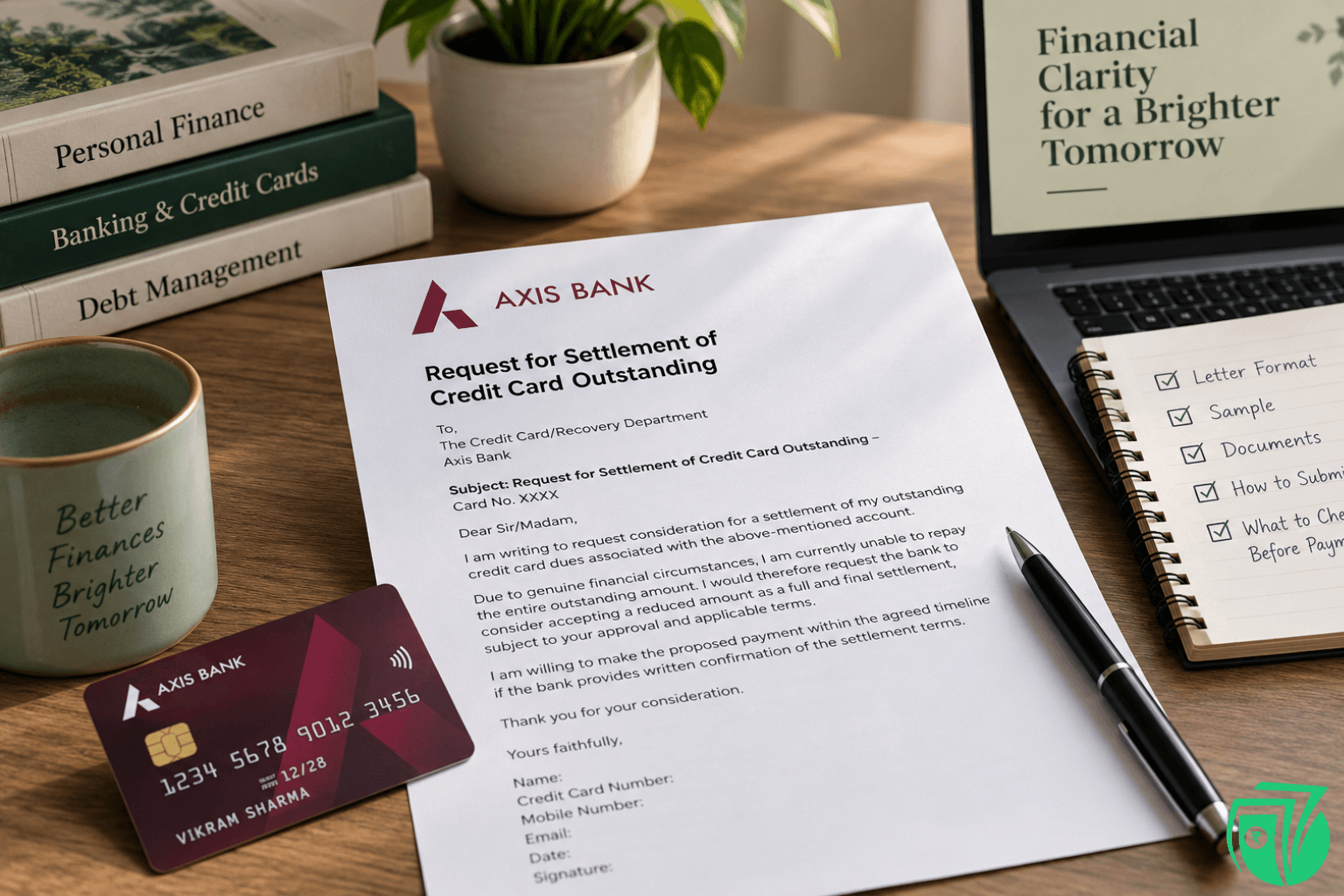
The right credit-card settlement agency should explain the risks as clearly as the potential benefits. Here’s what to check before you trust one with your debt.
When credit card dues become genuinely difficult to repay, a settlement agency may offer professional assistance with the debt-resolution process. But not every agency works the same way — some are transparent and methodical, others rely heavily on promises they can’t actually back up. Before you share financial documents or sign anything, it’s worth understanding an agency’s fees, its actual process, its limitations, and how it approaches negotiations with card issuers.
The key message to hold onto throughout: don’t choose an agency based only on the discount it promises. Evaluate its transparency, process, and support instead.

What Is a Credit Card Settlement Agency?
A credit card settlement agency typically:
- Assesses your credit card debt and overall financial situation
- Assists with communication toward your card issuer, where properly authorised
- Supports you in organising the documentation your case needs
- Provides negotiation assistance
- Helps you understand and manage the settlement documentation once terms are reached
One clarification that matters more than almost anything else in this article: an agency cannot guarantee that a credit card issuer will accept any particular settlement amount. That decision belongs entirely to the issuer. An agency’s value lies in expertise and structure, not in some special ability to compel a specific outcome.
When Should You Consider Professional Settlement Assistance?
Professional help tends to be genuinely useful in situations like:
- You’re managing multiple credit card dues across different issuers
- You’ve faced persistent repayment difficulty over an extended period
- You’re dealing with genuine financial hardship
- You’re finding it difficult to communicate effectively with multiple lenders at once
- You need help organising and presenting documentation properly
- You’re unsure how to evaluate the different debt-resolution options available to you
That said, professional assistance may not be necessary if you can comfortably manage your repayments, or if you’re confident negotiating directly with your card issuer yourself. Plenty of borrowers handle settlement negotiations on their own — an agency is a choice, not a requirement.
10 Things to Check Before Choosing a Credit Card Settlement Agency
1. Transparent Fee Structure
Check carefully:
- How fees are calculated
- When fees become payable
- Any additional charges beyond the headline fee
- Applicable taxes
- Cancellation and refund terms
Avoid agencies with unclear or unexplained charges — if you can’t get a straight answer about cost, that’s worth treating as a warning sign on its own.
2. No Guaranteed Settlement Promises
Be cautious of claims like “we’ll settle your credit card for exactly 30%.”
Actual outcomes depend on:
- The specific issuer
- Your account status
- Your outstanding amount
- Your documented financial hardship
- How the negotiation actually unfolds
- The issuer’s own final decision
No agency genuinely controls this outcome, so no agency should claim to guarantee it.
3. Clear Explanation of the Process
The agency should walk you through the complete journey: Assessment → Strategy → Documentation → Negotiation → Settlement Offer → Payment → Post-settlement documentation.
If you don’t understand what happens after you sign up, ask before you proceed — a good agency will welcome the question, not brush past it.
4. Experience With Credit-Card Debt
Worth asking directly:
- Which types of credit card accounts do they typically handle?
- How do they actually communicate with issuers?
- Who specifically handles the negotiations?
- How are settlement offers communicated back to you?
5. CIBIL and Credit-Report Transparency
A responsible agency should proactively explain that:
- Settlement can negatively affect your credit history.
- “Settled” is not the same as “Closed.”
- Settlement doesn’t automatically improve your CIBIL score.
- Rebuilding your credit afterward requires consistent, responsible financial behaviour over time.
🚩 Red flag: any agency guaranteeing a specific CIBIL score improvement as part of their service.
6. Written Agreements and Documentation
Before enrolling, make sure you understand:
- The service agreement itself
- The fee terms in full
- The exact scope of services included
- Cancellation terms
- The communication process you can expect
- What’s expected of you as the borrower, and what’s expected of the agency
And separately — before making any settlement payment — always verify the card issuer’s own written settlement terms directly, not just what the agency tells you.
7. Customer Support
Look for:
- A dedicated relationship manager assigned to your case
- Genuinely accessible communication channels
- A clear escalation process if something goes wrong
- Regular, proactive updates rather than radio silence
- A preference for written communication over vague verbal reassurance
8. Data and Privacy Practices
This matters more here than in most consumer services, since you’re sharing genuinely sensitive financial information. Check:
- Their published privacy policy
- How your documents are stored and protected
- Who within the company can actually access your information
- Whether they’re requesting information that seems unnecessary for your case
- That communication happens through official, verifiable channels
9. Company Identity and Reputation
Verify:
- The legal business name
- An official, functioning website
- Genuine contact details
- A real physical or registered business address
- Published terms and policies
- Independent customer reviews — not just testimonials curated on the agency’s own site
Don’t rely solely on testimonials displayed on the agency’s own website — look for reviews on independent platforms as well.
10. Does the Agency Explain Alternatives?
A credible agency should genuinely assess whether alternatives might suit you better, such as:
- Continuing regular repayment
- Restructuring your existing terms
- Refinancing or consolidation, where suitable
- Other lender-approved arrangements
Settlement shouldn’t automatically be presented as the only solution. If an agency jumps straight to settlement without properly assessing your situation, that’s worth questioning.
Red Flags When Choosing a Credit Card Settlement Agency
🚩 Guaranteed settlement percentage
🚩 Guaranteed CIBIL improvement
🚩 Pressure to sign up immediately
🚩 Hidden or unexplained fees
🚩 No written agreement offered
🚩 Requests for payment through unverified channels
🚩 No proper, verifiable company information
🚩 Refusal to clearly explain the process
🚩 Requests for unnecessary sensitive information
🚩 Claims that they can “force” a card issuer to settle
Questions to Ask a Credit Card Settlement Agency Before Signing Up
A copy-paste checklist for your first conversation:
- What exactly will you do for me?
- How are your fees calculated?
- Are there any additional charges I should know about?
- When are your fees actually payable?
- Can you guarantee my settlement amount?
- Who communicates with my credit card issuer directly?
- How will I receive settlement offers as they come in?
- What happens if the issuer rejects my proposal?
- How can settlement affect my CIBIL report?
- What documents will I receive after settlement is complete?
- What happens if I want to leave the programme partway through?
- What alternatives to settlement should I be considering?
Credit Card Settlement Agency vs Negotiating Directly
| Directly With Card Issuer | Through an Agency |
|---|---|
| You manage all communication yourself | An agency may assist with communication |
| No agency service fee | An agency may charge a service fee |
| You handle the negotiation yourself | Professional negotiation support may be available |
| You organise your own documents | An agency may assist with documentation |
| More responsibility falls on you | Additional administrative support is available |
Using an agency is entirely optional and depends on your own circumstances, confidence, and how much support you feel you genuinely need through the process.
How to Compare Two Credit Card Settlement Agencies
| Factor | Agency A | Agency B |
|---|---|---|
| Transparent fees | ✓ / ✗ | ✓ / ✗ |
| Written agreement | ✓ / ✗ | ✓ / ✗ |
| Explains CIBIL impact | ✓ / ✗ | ✓ / ✗ |
| No guaranteed claims | ✓ / ✗ | ✓ / ✗ |
| Dedicated support | ✓ / ✗ | ✓ / ✗ |
| Clear documentation | ✓ / ✗ | ✓ / ✗ |
| Explains alternatives | ✓ / ✗ | ✓ / ✗ |
| Verified company details | ✓ / ✗ | ✓ / ✗ |
Use this side by side when you’re weighing more than one option — it’s a lot easier to spot the gaps this way than by relying on how confident a sales conversation felt.
What Happens After You Choose an Agency?
The typical journey looks like this:
Debt assessment → Documentation → Strategy → Lender communication/negotiation → Settlement offer → Written confirmation → Payment → NOC/No Dues documentation, where applicable → Credit-report monitoring
Each of these stages should be something the agency can clearly explain to you before you commit, not something you discover as you go.
How Credit Card Settlement Affects Your CIBIL Score
This deserves its own clear explanation, since it’s one of the biggest concerns borrowers have:
- Settlement can negatively affect your credit history — this is a real cost of the relief it provides.
- A settled account is different from a fully closed account, and credit bureaus report them distinctly.
- Future lenders may view settled debt differently than debt that was fully repaid, sometimes for years afterward.
- The actual impact varies by your individual credit profile — there’s no universal number of points every borrower loses.
- Responsible repayment afterward — on other obligations, with low utilisation — can genuinely support credit rebuilding over time.
Frequently Asked Questions
What is a credit card settlement agency?
A company that assists borrowers with negotiating a reduced, one-time settlement of their credit card debt — helping with documentation, lender communication, and the overall process.
Is it safe to use a credit card settlement agency?
It can be, provided you verify the agency’s legitimacy, insist on written agreements, and avoid any company making guarantees about settlement percentages or CIBIL improvements.
How do I choose the right credit card settlement agency?
Look for transparent fees, a clearly explained process, honest disclosure of credit-report consequences, no guaranteed outcomes, and genuine discussion of alternatives to settlement.
How much does a credit card settlement agency charge?
Fee structures vary by agency — some charge upfront, some on a success basis, some a combination. Always get the complete structure in writing before signing anything.
Can a settlement agency guarantee a settlement percentage?
No legitimate agency can, since the final decision belongs to the card issuer, not the agency. Treat any such guarantee as a significant red flag.
Will credit-card settlement affect my CIBIL score?
Yes. The settlement itself is what’s reported to credit bureaus, typically as “Settled,” and this generally has a negative impact on your score and profile for a period of time.
Can I settle my credit-card debt without an agency?
Yes, many borrowers negotiate directly with their card issuer. Whether professional assistance is worth it depends on your specific situation and comfort with the process.
What documents should a settlement agency provide?
Copies of key correspondence, the issuer’s written settlement terms, and post-settlement documentation such as payment confirmation and any NOC or No Dues Certificate.
What are the red flags of a debt settlement company?
Guaranteed outcomes, pressure to sign immediately, hidden fees, unverified payment requests, refusal to share verifiable company information, and no written agreement.
What should I check before signing a settlement agreement?
The complete fee structure, the exact scope of services, cancellation terms, how communication with your issuer will work, and whether the agency has clearly explained the credit-report consequences.
Choosing who helps you through a credit card settlement matters just as much as the settlement itself. If you’d like an honest, pressure-free conversation about your options before committing to anything, that’s exactly where a good starting point should begin.
👉 Get a free debt assessment with TrueSettle
👉 Talk to a debt counsellor about what approach makes sense for your situation.