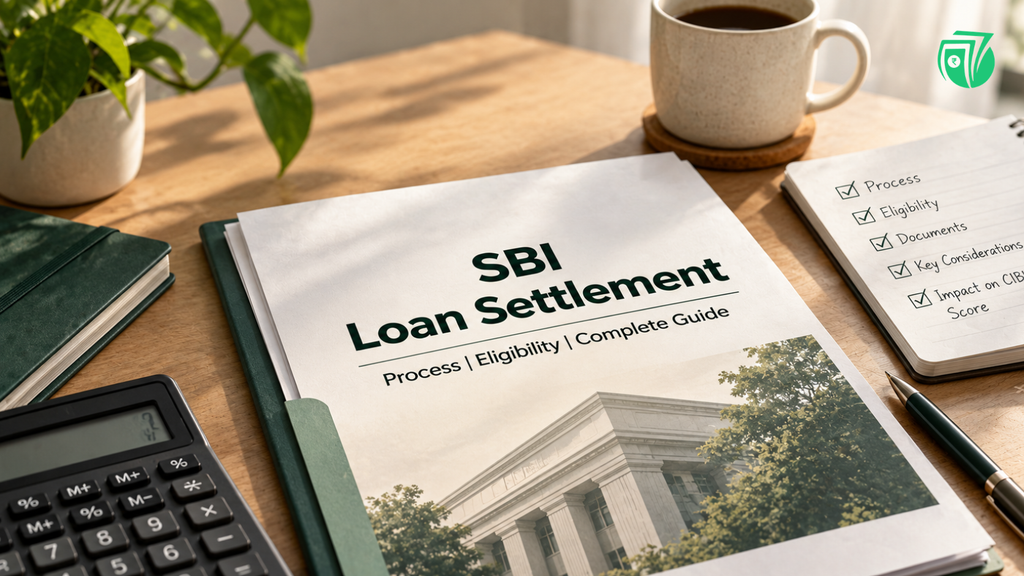
If you’re struggling to repay your SBI loan, understanding how TrueSettle helps settle SBI loan accounts can help you explore realistic options. From assessing your financial situation to preparing documents and supporting settlement negotiations, TrueSettle helps borrowers navigate the process with clarity.
The good news is that there are ways to deal with it. One of them is SBI loan settlement — and this is where TrueSettle comes in. In this guide, we’ll walk you through what State Bank of India loan settlement really means, when it makes sense, the challenges borrowers usually face, and how TrueSettle helps you through the whole process.
Understanding SBI Loan Settlement
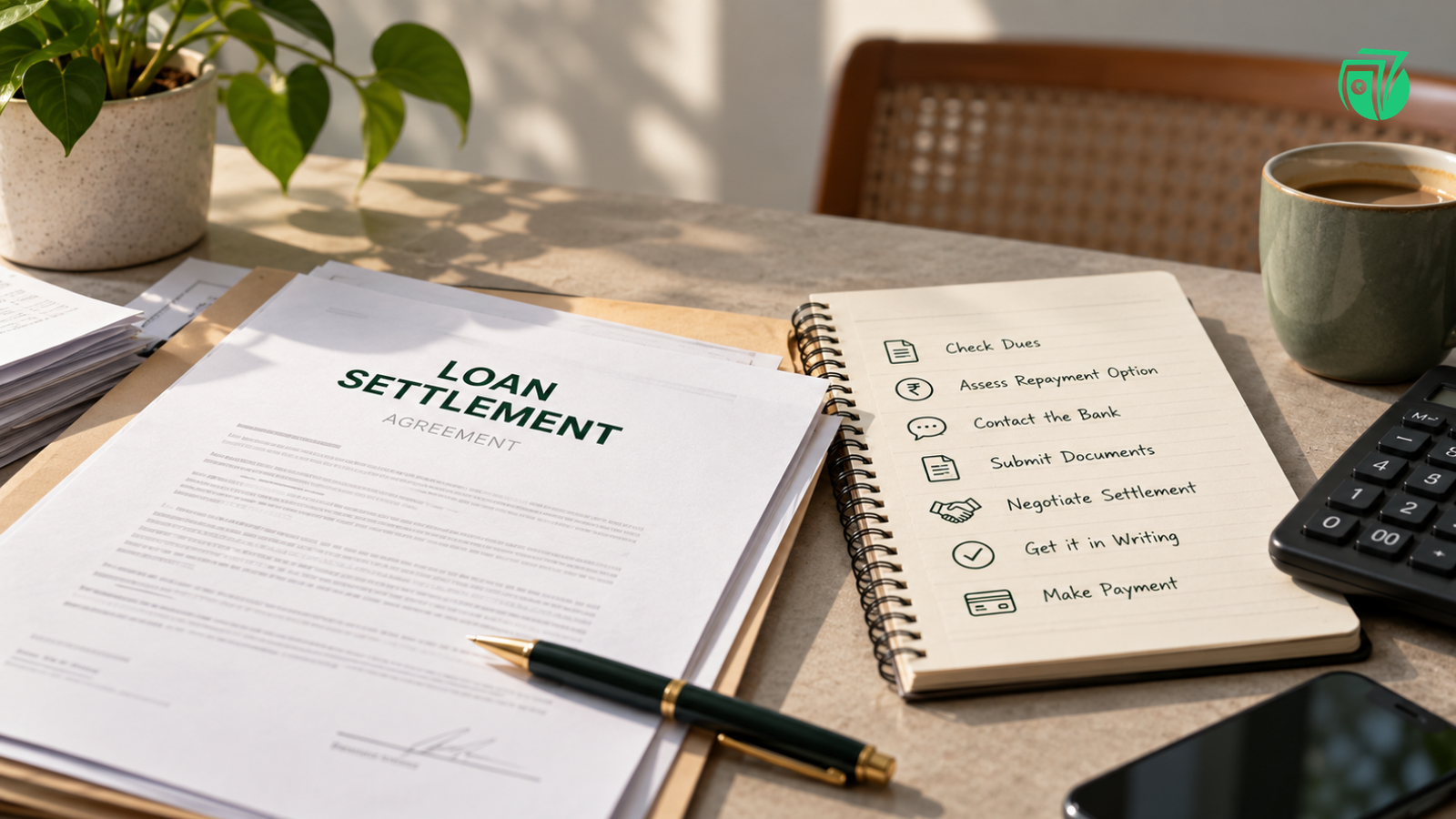
Loan settlement is an arrangement where the bank agrees to accept a lower, one-time amount (or a short set of payments) to close your loan, instead of the full outstanding loan amount. The remaining balance is written off by the bank.
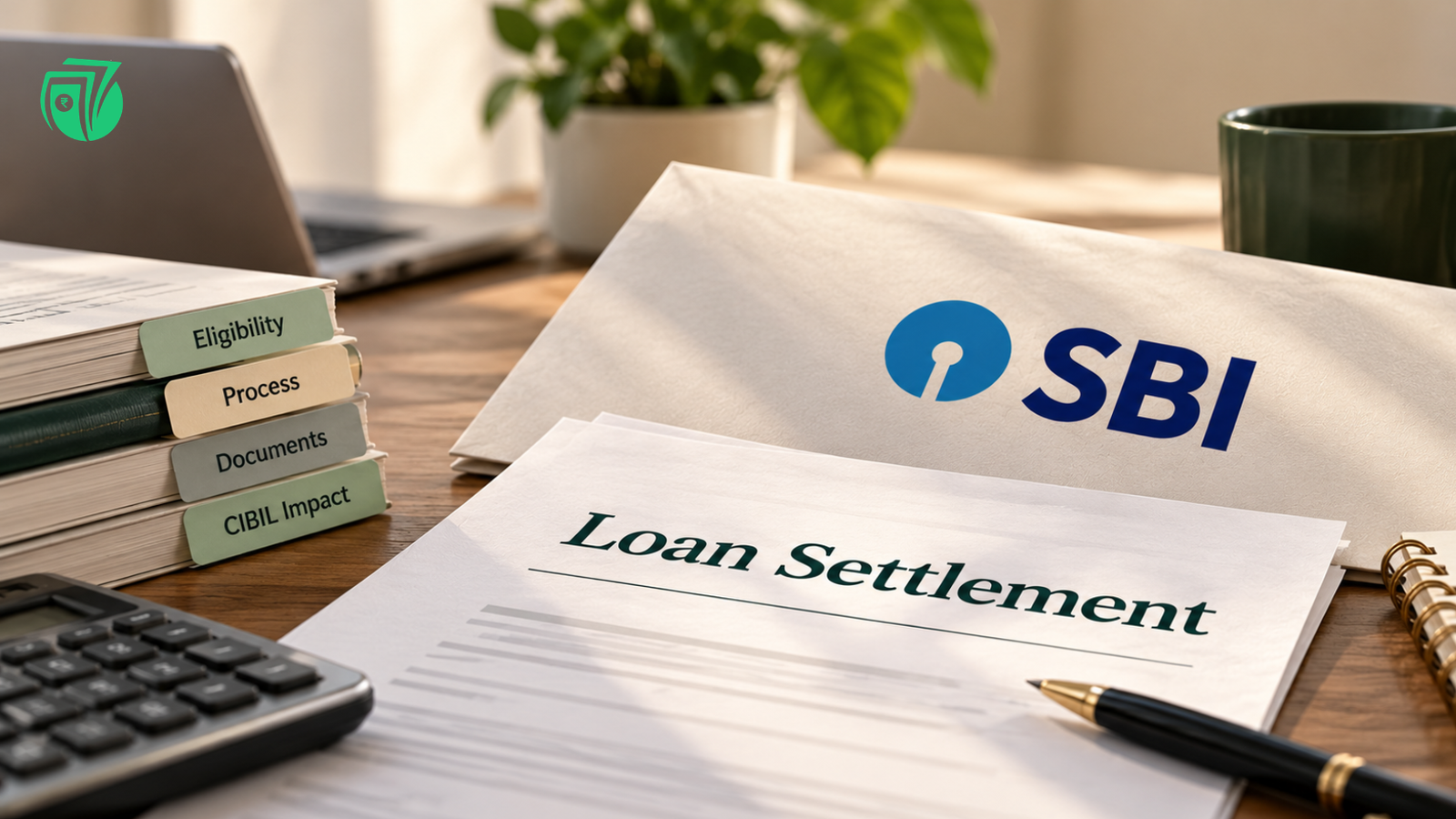
SBI, like other banks, considers settlement mainly when a borrower is facing genuine financial hardship and the account has already become overdue or turned into a non-performing asset (NPA). Banks follow their own internal policies for these compromise settlements, and SBI also runs One-Time Settlement (OTS) schemes from time to time for certain loan categories.
One thing to be clear about from the start: settlement is not the same as closing your loan in full. When a loan is settled, it is usually reported to credit bureaus like CIBIL as “settled” rather than “closed”, and this can affect your credit score and future loan approvals for some time. That is why settlement should be a considered decision, not a panic move.
When Does an SBI Borrower Consider Loan Settlement?
Most people who reach out to us never planned to settle a loan. They usually come to us after trying everything else. Some common situations include:
- Loss of income — a job loss, salary cut or closure of a business
- Medical emergencies — sudden hospital bills that drain savings
- Multiple debts piling up — personal loan, credit card and other EMIs all due at the same time
- A long-overdue SBI account — where penalties and interest have pushed the outstanding amount far beyond what you can realistically pay
- Constant recovery pressure — repeated calls and visits that are affecting your mental peace
If you can still manage your EMIs with some budgeting or a restructuring of the loan, that is usually a better option than settlement. But if repayment in full genuinely isn’t possible, SBI loan settlement assistance can help you find a realistic way out.
Common Challenges in Settling an SBI Loan
On paper, settlement sounds simple. In real life, most borrowers struggle with it on their own. Here’s why:
- Not knowing where to start. Many people don’t know whom to approach at the bank, what to say, or which documents are needed.
- Weak negotiation. Without understanding how banks assess a settlement, borrowers often accept the first offer — or make an offer the bank simply rejects.
- Recovery pressure and stress. It’s hard to think clearly or negotiate calmly when you’re getting calls every day.
- Missing paperwork. A settlement without a proper written letter from the bank can create serious problems later.
- Not understanding the credit impact. Many borrowers don’t realise how a “settled” status affects their CIBIL report until they apply for a new loan.
These are exactly the gaps TrueSettle works to fill.
How TrueSettle Helps You Settle Your SBI Loan
TrueSettle is a loan settlement and debt resolution consultancy. We don’t lend money and we don’t replace your bank — we stand on your side of the table and help you deal with the bank in an informed, organised way.
Here is how TrueSettle helps borrowers facing SBI loan repayment difficulties:
- Honest case assessment. We first understand your situation — your income, your outstanding SBI loan amount, how long the account has been overdue, and your other liabilities. If settlement isn’t the right path for you, we’ll tell you that plainly.
- Clear explanation of your options. Settlement, restructuring, or a structured repayment plan — we help you see what each option means for your money and your credit profile.
- Documentation support. We help you put together the documents that show your genuine financial hardship, such as income proof, medical records or proof of job loss.
- SBI loan settlement negotiation. Our team helps you present your case to the bank and negotiate towards a settlement amount that is realistic for your situation.
- Guidance on dealing with recovery agents. We help you understand your rights as a borrower. RBI guidelines require recovery agents to behave respectfully, and they cannot call borrowers before 8 am or after 7 pm.
- Support till closure. From the first conversation to the final settlement letter, we stay with you so nothing is left half-done.
Please note: The final decision on any settlement always rests with SBI. TrueSettle does not guarantee settlement approval or any specific reduction in the outstanding amount. What we offer is expert guidance, proper preparation and negotiation support to give your case its best chance.
How TrueSettle Guides You Through the Settlement Process
We keep the SBI loan settlement process simple and transparent. Here’s what working with us usually looks like:
Step 1: Free initial consultation You share your loan details and current financial situation with our team. We listen first, then explain whether settlement is worth exploring.
Step 2: Detailed case review We review your loan account, overdue amount, and supporting documents to build a clear picture of your case.
Step 3: Strategy and preparation We help you prepare a hardship explanation and settlement proposal based on what you can genuinely afford.
Step 4: Negotiation with the bank We guide and support you in your communication with SBI and help negotiate the settlement terms.
Step 5: Written settlement letter Before you pay anything, we make sure you have the settlement offer in writing from SBI, clearly mentioning the amount, payment timeline and account details.
Step 6: Payment and closure You pay the agreed amount directly to SBI — never to any third party. After payment, we help you follow up for the No Dues Certificate or closure letter and check that your credit report is updated correctly.
Important Things to Know Before Settling an SBI Loan
Before you go ahead with any settlement, keep these points in mind:
- Your credit score will be affected. A “settled” status can make it harder to get new loans or credit cards for some time. Plan for this.
- Always get it in writing. Never pay a settlement amount based on a verbal promise. Insist on an official letter from SBI.
- Pay only to the bank. Make all settlement payments directly to SBI’s official account and keep every receipt.
- Collect your No Dues Certificate. This is your proof that the matter is closed. Keep it safe.
- Check your CIBIL report afterwards. Make sure the account shows the correct status a few weeks after settlement.
- Understand the tax side. In some cases, the amount waived by a bank may have tax implications. It’s a good idea to check with a tax professional for your specific case.
- Beware of false promises. Anyone who “guarantees” a settlement or a fixed percentage off your loan is not being honest with you. Every case depends on the bank’s own assessment.
Frequently Asked Questions About SBI Loan Settlement
1. Can every SBI loan be settled? Not necessarily. SBI decides each case based on its internal policies, the type of loan, how long it has been overdue and the borrower’s financial condition. TrueSettle helps you understand whether your case is suitable for settlement.
2. Does TrueSettle guarantee that my SBI loan will be settled? No. No genuine consultant can guarantee settlement, because the final decision always lies with the bank. We provide guidance, documentation help and negotiation support to strengthen your case.
3. Will settling my SBI loan affect my CIBIL score? Yes. A settled loan is usually reported as “settled” and can lower your score and affect future credit approvals for a while. Over time, with disciplined repayment habits, your credit profile can improve.
4. How long does the SBI loan settlement process take? It varies from case to case. It depends on the bank’s internal review, your documents and how the negotiation goes. Some cases move quickly, while others take longer.
5. Should I pay the settlement amount to TrueSettle? No. The settlement amount is always paid directly to SBI. TrueSettle only charges for its consultancy services, and these terms are explained to you clearly upfront.
6. What types of SBI loans can TrueSettle help with? We assist borrowers with various SBI loans that are facing repayment difficulties, including personal loans, credit card dues and business loans. Share your details with us and we’ll tell you how we can help.
7. Can I settle my loan on my own? Yes, you can approach the bank directly. Many borrowers, however, prefer expert support because negotiation, documentation and follow-ups can be overwhelming — especially under financial stress.
Take the First Step Today
Financial trouble can make you feel stuck, but it doesn’t have to stay that way. If you’re struggling with an overdue SBI loan, the best thing you can do is understand your options clearly — and that’s exactly what we’re here for.
Talk to TrueSettle today for a free consultation and find out how we can help you move towards resolving your SBI outstanding loan with clarity and confidence.
Disclaimer: This article is for general information only and does not constitute legal or financial advice. Settlement decisions are made solely by the lending bank. TrueSettle does not guarantee loan settlement, approval or any specific reduction in the outstanding amount.