Managing a loan becomes difficult when your financial situation changes unexpectedly. A job loss, reduced income, medical emergency or business slowdown can make it challenging to keep up with monthly EMIs. What initially seemed like a manageable financial commitment can gradually turn into a burden.
For borrowers with outstanding dues at HDFC Bank, missed payments can lead to additional interest, late payment charges and regular repayment reminders. As overdue amounts accumulate, finding a practical way to manage the debt can become increasingly stressful.
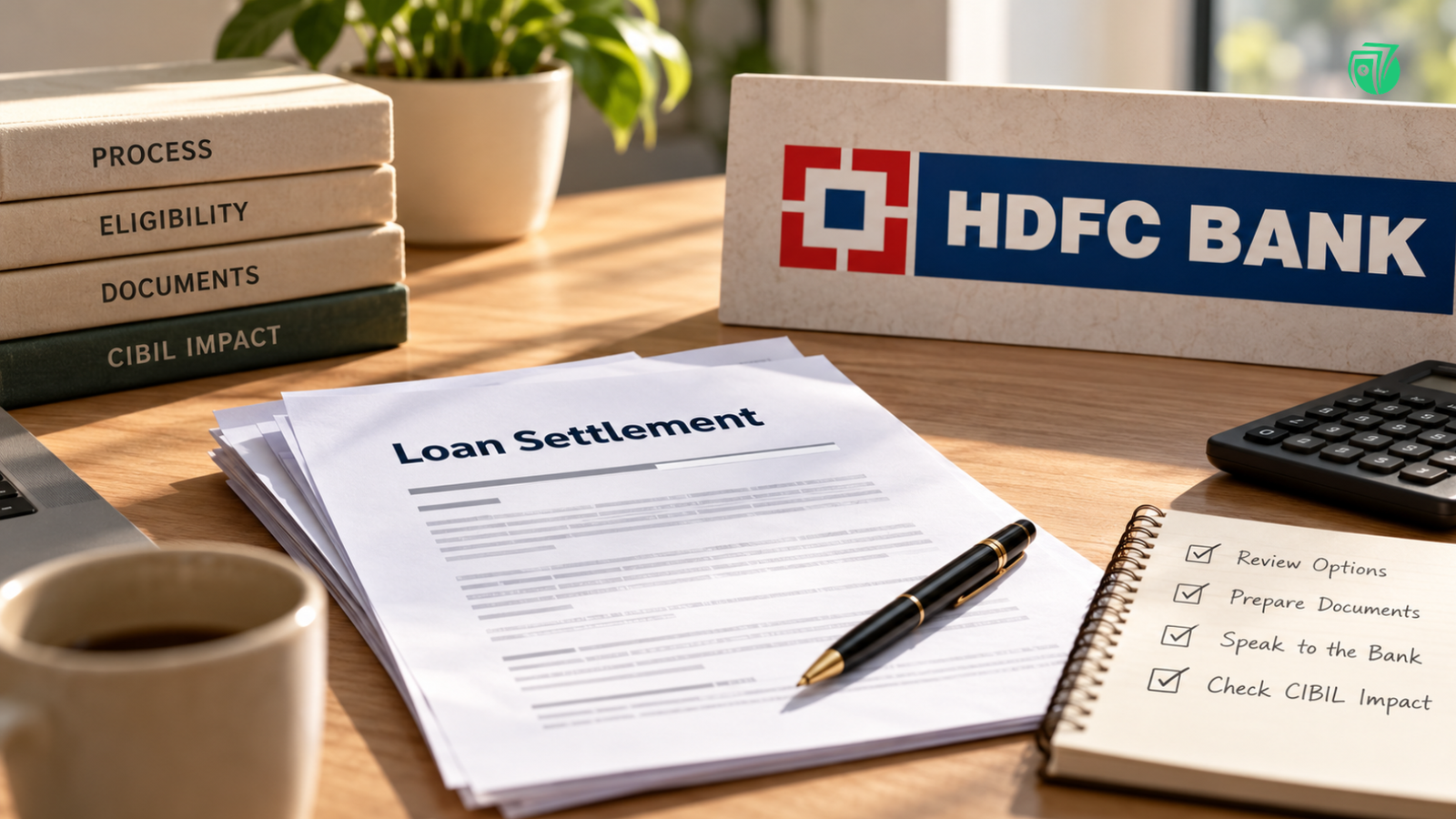
In such circumstances, HDFC Bank loan settlement may be an option worth exploring, particularly when a borrower is facing genuine financial hardship and cannot repay the entire outstanding amount.
However, understanding the settlement process, communicating with the bank, reviewing settlement terms and maintaining proper documentation are all important before making a decision.
This is where TrueSettle can help. TrueSettle assists borrowers in understanding their loan situation, exploring possible debt resolution options and navigating the loan settlement process with better clarity.
In this article, we will explain how HDFC Bank loan settlement works, when borrowers may consider it, and how TrueSettle can guide them through the process.
Understanding HDFC Bank Loan Settlement
Before exploring how TrueSettle helps borrowers, it is important to understand what loan settlement actually means.
What Is HDFC Bank Loan Settlement?
Loan settlement is an arrangement in which a bank agrees to accept an amount lower than the total outstanding loan dues as a final payment, subject to mutually agreed terms.
Borrowers generally consider this option when they are experiencing serious financial difficulties and cannot afford to repay the entire outstanding amount.
For example, suppose a borrower has an outstanding loan amount of ₹5,00,000 but is facing financial hardship and cannot manage regular repayments. The borrower may approach HDFC Bank and request consideration for a settlement.
The bank may review the borrower’s financial circumstances, repayment history and overall account position before deciding whether to offer a settlement.
If the bank approves the request, it communicates the settlement amount and applicable conditions. The borrower must follow the agreed terms and make the payment within the specified deadline.
It is important to understand that settlement is not guaranteed. HDFC Bank has the authority to assess each request and decide whether it is willing to offer a settlement.
Loan Settlement vs Loan Closure: What’s the Difference?
Many borrowers confuse loan settlement with loan closure. However, both have different meanings and consequences for their credit history.
Loan Closure:
- The borrower repays the entire outstanding loan amount.
- All scheduled dues are cleared.
- The account is generally reported as closed.
- It is usually the more favourable outcome for a borrower’s credit profile.
Loan Settlement:
- The bank agrees to accept less than the total outstanding amount.
- The borrower pays the agreed settlement amount.
- The account is generally reported as settled to credit bureaus.
- The settled status can negatively affect future credit eligibility.
Therefore, borrowers should understand the long-term implications before choosing settlement over full repayment.
Is Loan Settlement the Same as a Loan Waiver?
No. Loan settlement and loan waiver are two different financial arrangements.
A loan waiver generally involves the cancellation or writing off of eligible loan dues under a specific government scheme or applicable policy.
Loan settlement, on the other hand, is an arrangement between the borrower and the lending institution in which the bank agrees to accept a mutually agreed amount against the outstanding dues.
A settlement does not mean that the bank automatically forgives the entire remaining balance. It is subject to the bank’s approval and the conditions mentioned in the settlement agreement.
When Should You Consider HDFC Bank Loan Settlement?
Loan settlement should not be considered the first solution whenever someone misses an EMI. Borrowers should initially evaluate whether they can manage repayments through regular payment arrangements, restructuring or other suitable options.
However, when financial difficulties become serious and repayment of the full outstanding amount is no longer manageable, exploring settlement may become relevant.
Here are some situations where borrowers may consider discussing this option with HDFC Bank.
1. Financial Hardship or Loss of Income
A sudden job loss, salary reduction or business slowdown can significantly affect a person’s repayment capacity.
When regular income becomes insufficient to cover household expenses and existing loan EMIs, borrowers may find it difficult to maintain their repayment schedule.
In such situations, reviewing available debt resolution options can help borrowers understand how to manage their outstanding obligations.
2. Multiple Outstanding EMIs
Managing several loans simultaneously can create considerable financial pressure.
For example, a borrower may have a personal loan, a home loan, credit card dues and other financial commitments.
When multiple repayment obligations consume a large portion of monthly income, maintaining every EMI can become challenging.
If the borrower is unable to manage the overall debt burden, exploring suitable repayment or settlement options may be worth considering.
3. Increasing Overdue Payments
Missing loan payments can result in additional interest and applicable late payment charges.
As overdue amounts accumulate, the total outstanding balance may become more difficult to manage.
Borrowers who are unable to clear their overdue payments should review their loan statements and communicate with the bank to understand the available options.
4. Difficulty Managing Monthly Loan Repayments
Sometimes, the problem is not a single missed EMI but an ongoing mismatch between income and financial commitments.
If a borrower regularly struggles to arrange funds for monthly repayments or depends on additional borrowing to pay existing loans, it may indicate a deeper financial problem.
Understanding the overall debt situation is important before deciding on the next course of action.
How Does the HDFC Bank Loan Settlement Process Work?
The HDFC Bank loan settlement process depends on the borrower’s circumstances, account history and the bank’s applicable policies.
Although every case may be different, the general process involves the following steps.
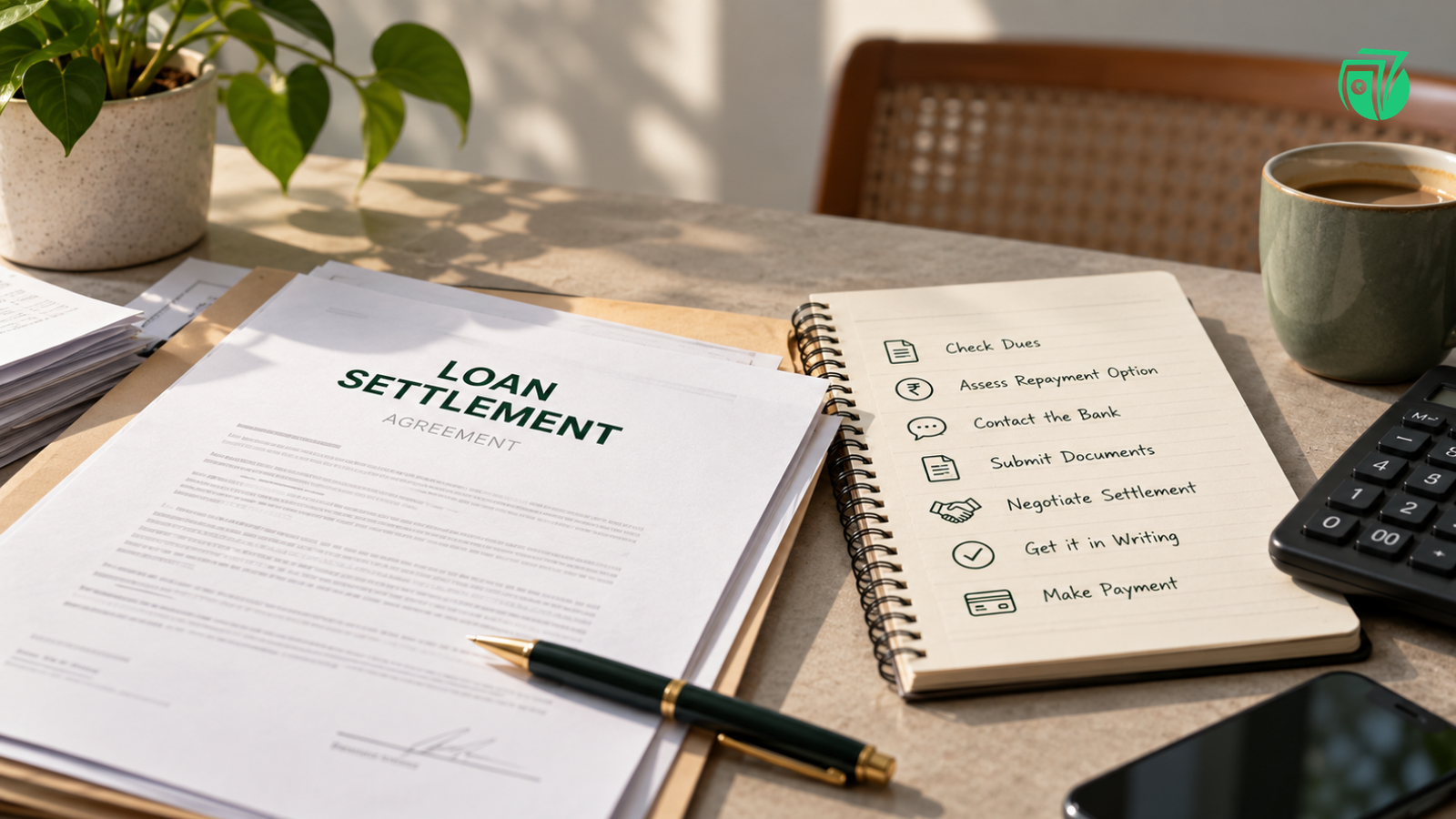
Step 1: Review Your Outstanding Loan Amount
The first step is to understand exactly how much you owe.
Request your latest loan account statement and review:
- Outstanding principal amount.
- Accrued interest.
- Applicable late payment charges.
- Other outstanding fees or charges.
- Total amount payable.
Having accurate information about your loan account helps you understand the extent of your financial obligation.
Step 2: Evaluate Your Financial Situation
Before approaching the bank, assess your current financial position.
Consider your monthly income, household expenses, existing loans, credit card dues and available savings.
You should also identify the amount you can realistically arrange without creating additional financial difficulties.
This assessment helps you understand whether full repayment, restructuring or settlement discussions may be more appropriate.
Step 3: Contact HDFC Bank
Once you understand your financial position, contact HDFC Bank through its official communication channels.
You can explain the financial difficulties affecting your ability to repay the loan and ask about the options available for your account.
Depending on the circumstances, you may need to communicate with the relevant branch, customer service team or authorised collections department.
Always maintain records of important conversations and correspondence.
Step 4: Discuss Possible Settlement Options
If your financial circumstances make regular repayment difficult, you may request the bank to consider a settlement.
The bank may review several factors, including:
- Your repayment history.
- Total outstanding loan amount.
- Duration of overdue payments.
- Current financial circumstances.
- Supporting documents demonstrating financial hardship.
Based on its assessment, the bank may consider a settlement proposal, suggest another repayment arrangement or decline the request.
The final decision and settlement terms rest entirely with HDFC Bank.
Step 5: Obtain Written Settlement Confirmation
Never rely entirely on verbal settlement promises.
If HDFC Bank agrees to settle your loan, request an official written settlement letter before making any payment.
Carefully verify the following details:
- Borrower’s name and loan account details.
- Agreed settlement amount.
- Payment deadline.
- Applicable payment conditions.
- Treatment of the remaining outstanding dues.
Make sure the written terms clearly explain the agreement between you and the bank.
Step 6: Complete the Agreed Settlement Payment
After reviewing and accepting the settlement terms, make the payment within the specified deadline.
Always use official and traceable payment channels. Avoid transferring money to unauthorised individuals or personal accounts.
Keep copies of all payment receipts and transaction confirmations.
After completing the agreed payment, request written confirmation from the bank and retain the settlement documents for future reference.
How TrueSettle Helps You Settle Your HDFC Bank Loan
Understanding the loan settlement process is important, but navigating it while dealing with financial pressure can be challenging.
Borrowers may not know how to evaluate their outstanding dues, communicate their financial difficulties or understand the terms proposed by the bank.
TrueSettle helps borrowers approach these situations with better information and a clearer understanding of their available options.
Here is how TrueSettle supports borrowers exploring HDFC Bank loan settlement.
1. Understanding Your Outstanding Loan Situation
Every borrower’s financial circumstances are different.
At TrueSettle, the first step is understanding your existing loan situation, including the outstanding balance, overdue EMIs and repayment difficulties.
Reviewing these details helps establish a clearer picture of your financial obligations.
Instead of making decisions without understanding the actual dues, borrowers can begin by identifying the extent of their repayment challenges.
2. Evaluating Your Financial Condition
Loan settlement decisions should be based on a realistic assessment of your financial circumstances.
TrueSettle helps borrowers evaluate important factors such as:
- Current monthly income.
- Household and essential expenses.
- Existing loan obligations.
- Outstanding credit card dues.
- Available financial resources.
- Reasons behind repayment difficulties.
This assessment helps borrowers understand whether settlement is worth exploring or whether another debt resolution option may be more suitable.
3. Exploring Suitable Debt Resolution Options
Loan settlement is not necessarily the right solution for every borrower.
Depending on the financial situation, options such as repayment restructuring, revised repayment arrangements or other available solutions may also need consideration.
TrueSettle helps borrowers understand the differences between these options, including their potential benefits and limitations.
The objective is to help borrowers make informed decisions instead of choosing a solution without understanding its consequences.
4. Guidance Through the Bank Negotiation Process
Communicating with a bank about overdue loans can feel intimidating, particularly when borrowers are already dealing with financial stress.
TrueSettle helps borrowers understand how settlement discussions generally work, what information may be required and how to explain their financial difficulties clearly.
This preparation can help borrowers approach discussions with a better understanding of their circumstances and the process involved.
Any settlement proposal or approval, however, remains subject to HDFC Bank’s decision.
5. Understanding Settlement Terms and Conditions
A settlement offer should never be accepted without carefully reviewing its conditions.
The settlement amount is important, but other details also matter.
TrueSettle guides borrowers in understanding important terms such as:
- Total agreed settlement amount.
- Payment deadline.
- One-time or instalment-based payment conditions, if offered.
- Consequences of missing the payment deadline.
- Reporting of the account to credit bureaus.
- Confirmation required after payment.
Understanding these details beforehand can help borrowers avoid confusion and make better-informed decisions.
6. Assistance With Settlement Documentation
Documentation plays an important role throughout the loan settlement process.
Borrowers should maintain proper records of their loan statements, settlement communications, written offers and payment confirmations.
TrueSettle helps borrowers understand which documents may be required and what important details they should check in their settlement letters.
Maintaining proper documentation can also help borrowers address discrepancies or questions that may arise later.
7. Support Throughout Your Debt Resolution Journey
Resolving an outstanding loan is not just about making a payment. It also involves understanding the agreement, completing the required formalities and keeping the relevant records.
TrueSettle provides guidance throughout the debt resolution journey, helping borrowers understand the next steps and make informed decisions.
Borrowers can also receive guidance on maintaining responsible credit habits after settlement, including making timely payments on other credit accounts and monitoring their credit reports.
Important: TrueSettle does not make settlement decisions on behalf of HDFC Bank or guarantee settlement approval or a particular settlement amount. The final approval and terms are determined solely by HDFC Bank according to its assessment and applicable policies.
Documents Required for HDFC Bank Loan Settlement
If you are considering settling your HDFC Bank loan, keeping the relevant documents ready can make the process easier.
The exact documentation requirements may vary depending on the loan type and the bank’s assessment.
Some commonly relevant documents include:
1. Loan Account Details
Keep your loan account number, sanction letter and latest loan statement available. These documents help identify your loan and understand the outstanding dues.
2. Identity and Address Proof
Documents such as PAN cards, Aadhaar cards or other valid KYC documents may be required for verification.
3. Income-Related Documents
Salary slips, Form 16 or income tax returns may help demonstrate your current financial position.
4. Bank Statements
Recent bank statements can provide information about income, regular expenses and existing financial obligations.
5. Financial Hardship Documents
If your repayment difficulties are due to a specific financial event, supporting documents may be useful.
These may include:
- Employment termination letters.
- Salary reduction records.
- Medical bills.
- Business loss documents.
- Other relevant financial records.
Providing accurate information helps the bank understand the circumstances affecting your repayment capacity.
Does HDFC Bank Loan Settlement Affect Your CIBIL Score?
Yes. Loan settlement can negatively affect your credit profile, and borrowers should understand this before proceeding.
When a bank accepts less than the full outstanding amount as settlement, the account is generally reported as settled to credit bureaus.
This indicates that the borrower did not repay the entire contractual outstanding amount.
How Does a Settled Status Affect Your Credit Report?
A settled account may lower your credit score and influence how future lenders evaluate your creditworthiness.
The impact depends on your existing credit history, outstanding obligations and overall repayment behaviour.
Future lenders may consider a settled account a sign of higher credit risk when reviewing new loan or credit card applications.
Settled vs Closed: Understanding the Difference
These two terms have different meanings in a credit report.
Closed Account:
The borrower has repaid the full amount due under the loan agreement, and the lender has closed the account.
Settled Account:
The lender has accepted an agreed amount lower than the total outstanding dues, subject to settlement terms.
A settled account is generally less favourable from a credit perspective than an account closed after full repayment.
Can You Rebuild Your CIBIL Score After Loan Settlement?
Yes. Borrowers can gradually work towards improving their credit profile after settlement.
Some responsible credit habits include:
- Paying all other loan EMIs on time.
- Clearing credit card bills by their due dates.
- Keeping credit utilisation under control.
- Avoiding unnecessary loan applications.
- Reviewing credit reports regularly.
- Correcting inaccurate information reported by lenders.
In some situations, borrowers may also explore paying the remaining waived amount to the lender and requesting an update of the account status. Whether the lender agrees to this and updates the reporting depends on its policies and the account circumstances.
Important Things to Check Before Settling Your HDFC Bank Loan
Before accepting any settlement offer, borrowers should carefully review the terms and conditions.
Here are some important points to remember:
1. Verify the Settlement Amount
Check the agreed amount and confirm that it matches the official settlement offer.
2. Obtain Written Confirmation
Never make a payment based only on a verbal assurance or an informal message.
3. Understand the Payment Deadline
Check the exact date by which the settlement amount must be paid. Missing the deadline may affect the agreement.
4. Use Official Payment Channels
Make payments only through authorised channels specified by the bank.
5. Keep All Payment Receipts
Maintain transaction records, receipts and relevant bank correspondence.
6. Obtain Final Settlement Confirmation
After completing the payment, request written confirmation that the agreed settlement conditions have been fulfilled.
7. Check Your Credit Report
Review your credit report after the lender has updated the account information. If you notice any incorrect reporting, raise a dispute with the relevant credit bureau and lender.
Taking these precautions can help you manage the settlement process more carefully.
Why Choose TrueSettle for HDFC Bank Loan Settlement Assistance?
Financial difficulties can make it difficult to understand loan-related decisions. Borrowers often need clear information, proper guidance and an understanding of the options available to them.
TrueSettle focuses on helping borrowers navigate debt-related challenges through practical guidance and support.
Here is what borrowers can expect:
Borrower-Focused Guidance: We understand that every borrower’s financial situation is different. Our approach focuses on understanding individual circumstances before exploring possible solutions.
Better Understanding of Debt Resolution: We help borrowers understand loan settlement, repayment restructuring and other possible debt resolution options.
Guidance Throughout the Process: From reviewing loan-related information to understanding settlement documentation, we help borrowers navigate important steps.
Transparent Communication: We believe borrowers should understand the possible benefits, limitations and consequences of every option before making a decision.
Continued Support: Our objective is to help borrowers approach their debt resolution journey with better clarity and confidence.
With TrueSettle, borrowers can better understand their HDFC Bank loan settlement options and make informed decisions about managing outstanding debt.
Frequently Asked Questions About HDFC Bank Loan Settlement
1. Can TrueSettle Help Me Settle My HDFC Bank Loan?
Yes. TrueSettle helps borrowers understand their outstanding loan situation, explore possible settlement options, prepare for bank discussions and understand settlement terms and documentation. However, the final approval and settlement conditions are determined by HDFC Bank.
2. Does HDFC Bank Offer Loan Settlement?
HDFC Bank may consider settlement requests depending on the borrower’s financial circumstances, loan account details and applicable bank policies. Approval is not automatic, and every request is subject to the bank’s assessment.
3. Can I Settle My HDFC Bank Personal Loan?
Borrowers facing genuine financial hardship may approach HDFC Bank to discuss possible settlement options for their personal loans. Whether a settlement is offered depends on the bank’s assessment and applicable policies.
4. Is Loan Settlement Better Than Missing EMIs?
Continuously missing EMIs can result in additional charges, overdue balances and negative credit reporting. Settlement may help resolve an outstanding account when the bank agrees to the arrangement. However, it can also negatively affect your credit profile. If you can repay the full amount through a manageable arrangement, that is generally preferable.
5. Will HDFC Bank Provide a Settlement Letter?
If HDFC Bank approves a settlement, borrowers should request an official written settlement letter before making payment. After fulfilling the agreed conditions, they should also obtain written confirmation of the settlement.
6. How Long Does HDFC Bank Loan Settlement Take?
There is no universally applicable settlement timeline. The duration depends on the bank’s review, the availability of required documents, the borrower’s circumstances and the agreed payment conditions.
7. Can I Get a Loan After HDFC Bank Loan Settlement?
Getting another loan after settlement is possible, but it may be more difficult. Lenders can consider the settled status while reviewing future applications. Maintaining timely repayments on other accounts and rebuilding your credit history can help improve your creditworthiness over time.
8. What Happens If I Miss the Settlement Payment Deadline?
Missing the payment deadline may result in the settlement offer becoming invalid or the agreed terms no longer applying. The borrower should immediately contact HDFC Bank through official channels to understand the consequences and available options.
Conclusion: Explore Your HDFC Bank Loan Settlement Options With TrueSettle
Managing an outstanding loan while facing financial difficulties can be stressful. Missed EMIs, increasing overdue amounts and repayment pressure can make it difficult to understand what to do next.
However, making a financial decision without understanding its consequences can create additional problems.
HDFC Bank loan settlement may be an option for borrowers who are genuinely unable to repay their full outstanding dues. But it is important to understand the eligibility considerations, settlement terms, documentation requirements and potential impact on your credit profile before proceeding.
This is where TrueSettle can make the process easier to understand.
From evaluating your loan situation and exploring debt resolution options to understanding bank discussions and settlement documentation, TrueSettle helps borrowers navigate their financial challenges with greater clarity.
If you are struggling with your HDFC Bank loan repayments, take the time to understand your options before making your next move.
Connect with TrueSettle today to understand your HDFC Bank loan settlement options and explore a suitable way to manage your outstanding debt.
Disclaimer: This article is intended for general informational and educational purposes only and does not constitute legal or financial advice. Loan settlement is subject to the lender’s assessment, approval and applicable policies. TrueSettle does not guarantee settlement approval, a specific settlement amount or a particular outcome.