If your Axis Bank EMIs have started feeling impossible, you are not alone, and you are not out of options. A job loss, a hospital bill or a business that slowed down can turn a manageable loan into a monthly worry almost overnight.
One option many borrowers hear about is loan settlement. In simple terms, Axis Bank loan settlement means the bank may agree to accept a lower, one-time amount to close your outstanding dues. It is not automatic, though. Whether the bank agrees depends on its applicable policy and your individual situation.
This guide walks you through how the process works, who may be considered, which documents help, what it does to your CIBIL score, and what to check before you pay a single rupee. The goal is simple: help you decide calmly, not in panic.
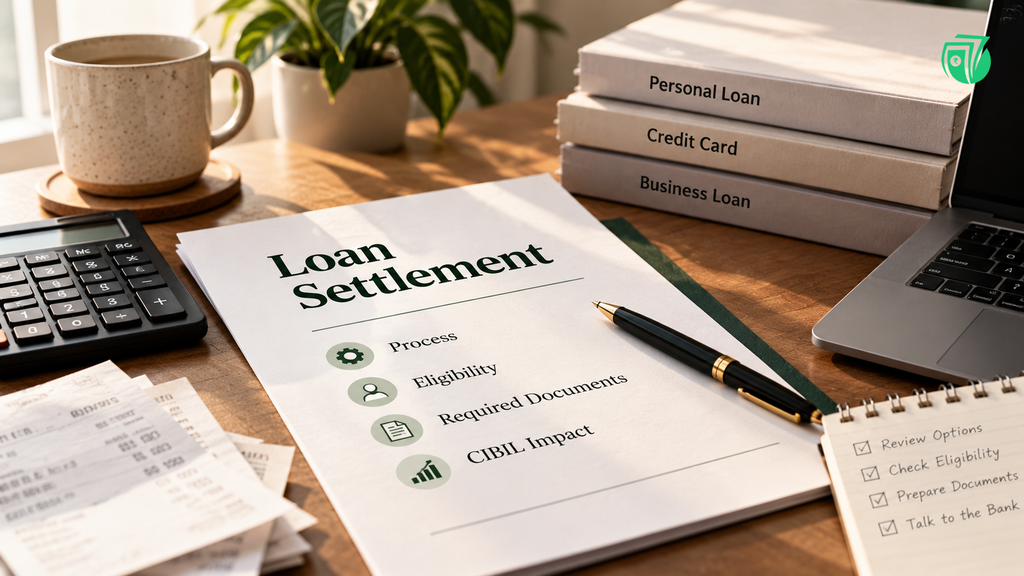
What Is Axis Bank Loan Settlement?
Loan settlement is an agreement where the lender accepts less than the total amount you owe and closes the account. The difference, often a part of the interest, penalties and sometimes principal, is written off by the bank.
Think of it this way. Closing a loan means you paid everything you owed. Settling a loan means you and the bank agreed on a compromise because full repayment was no longer realistic for you.
That difference matters. A closed loan tells future lenders you repaid in full. A settled loan tells them the bank took a loss on your account, and that is why settlement is usually treated as a last resort, not a shortcut.
Does Axis Bank Offer One-Time Settlement (OTS)?
Yes, Axis Bank describes one-time settlement as an option it may consider in specific circumstances, such as job loss or a serious health issue. It is offered case by case, not as a standard product you can apply for online.
Two points are worth knowing before you call the bank:
- Banks follow their own approved policies. Under RBI’s framework for compromise settlements, regulated lenders must have board-approved policies for such cases. This means the bank decides, and no borrower is automatically entitled to a settlement.
- Terms should be in writing. Axis Bank’s customer commitment code says that if the bank offers an OTS scheme, it should explain the terms in writing, including the impact on your credit history.
So if anyone promises you a guaranteed settlement, a fixed percentage or approval within a set number of days, be careful. Every case is different.
Who May Be Considered for Loan Settlement?
There is no public checklist that guarantees eligibility. In practice, banks generally look at whether your hardship is genuine and whether full repayment is truly out of reach.
Situations where a bank may be willing to discuss settlement include:
- Loss of job or a sharp, lasting drop in income
- A serious illness or medical emergency in the family
- Business closure or heavy business losses
- Death of the primary earning member
- Other documented hardship that makes regular EMIs unaffordable
Usually, the account has already fallen behind on payments by the time settlement is discussed. If you are only slightly behind and expect your income to recover, the bank is more likely to suggest a repayment arrangement instead, and that may be better for you too.
Axis Bank Loan Settlement Process Step by Step
The exact steps can vary by loan type and case, but most settlements follow a similar path:
- Know your numbers. Get your latest loan statement showing principal outstanding, interest, penalty charges and overdue EMIs.
- Assess what you can genuinely pay. Work out a realistic lump sum based on your savings, family support or any asset you can use. Do not offer an amount you cannot arrange.
- Collect hardship proof. Gather documents that show why you cannot repay in full (see the checklist below).
- Contact the bank through official channels. Reach out to Axis Bank customer care, your branch or the collections team assigned to your account and ask about available resolution options.
- Submit a written request. Explain your situation honestly in a hardship letter and attach supporting documents.
- Discuss and negotiate. The bank may make a counter-offer. Stay polite, be clear about your limits and keep notes of every conversation.
- Get the settlement letter first. Never pay before you receive the agreed terms in writing from the bank.
- Pay only to the bank’s official account. Make the payment exactly as stated in the letter and keep the receipt.
- Collect your closure proof. Ask for a written confirmation or No Dues Certificate showing the account is settled and nothing further is payable.
Documents Required for an OTS Request
Axis Bank may ask for different documents depending on your loan and situation. Keeping these ready usually makes the conversation smoother:
- Loan account number and latest loan statement
- PAN card and Aadhaar or another identity proof
- Address proof
- Bank statements for the last 6 to 12 months
- Termination letter, resignation acceptance or salary-stop proof (for job loss)
- Hospital bills, prescriptions or discharge summary (for medical hardship)
- Business loss proof such as ITRs, closure documents or GST records (for self-employed borrowers)
- Death certificate of the earning member, if applicable
- A signed hardship letter
A simple hardship letter outline
Keep it short, factual and respectful. A good letter usually covers:
- Your name, loan account number and contact details
- What happened and when (for example, job loss in a specific month)
- How it affected your income and ability to pay EMIs
- What you have already tried, such as part payments
- The one-time amount you can realistically arrange
- A request for written settlement terms, including the credit-report impact
- List of attached documents, your signature and date
Avoid exaggerating. Banks verify information, and an honest, well-documented request is taken more seriously.
How to Approach Axis Bank for Settlement
How you approach the bank matters almost as much as what you ask for. A few practical tips:
- Use official channels only. Speak to customer care, your home branch or the collections officer officially assigned to you. Never share OTPs or pay anyone personally.
- Be honest and early. Talking to the bank when trouble starts often gives you more options than waiting until the account is deep in default.
- Put everything in writing. Follow up phone calls with an email summarising what was discussed.
- Do not accept verbal promises. A settlement is real only when it is on the bank’s letterhead or official communication.
- Know your rights during recovery. Recovery agents must follow RBI’s fair practice guidelines. If you face harassment, you can raise a complaint with the bank’s grievance cell and, if it is not resolved, escalate it to the RBI Ombudsman.
You can negotiate directly with Axis Bank yourself. Some borrowers choose to take professional help to understand their options and prepare documents, but no consultant can force the bank to approve a settlement.
Alternatives to Loan Settlement
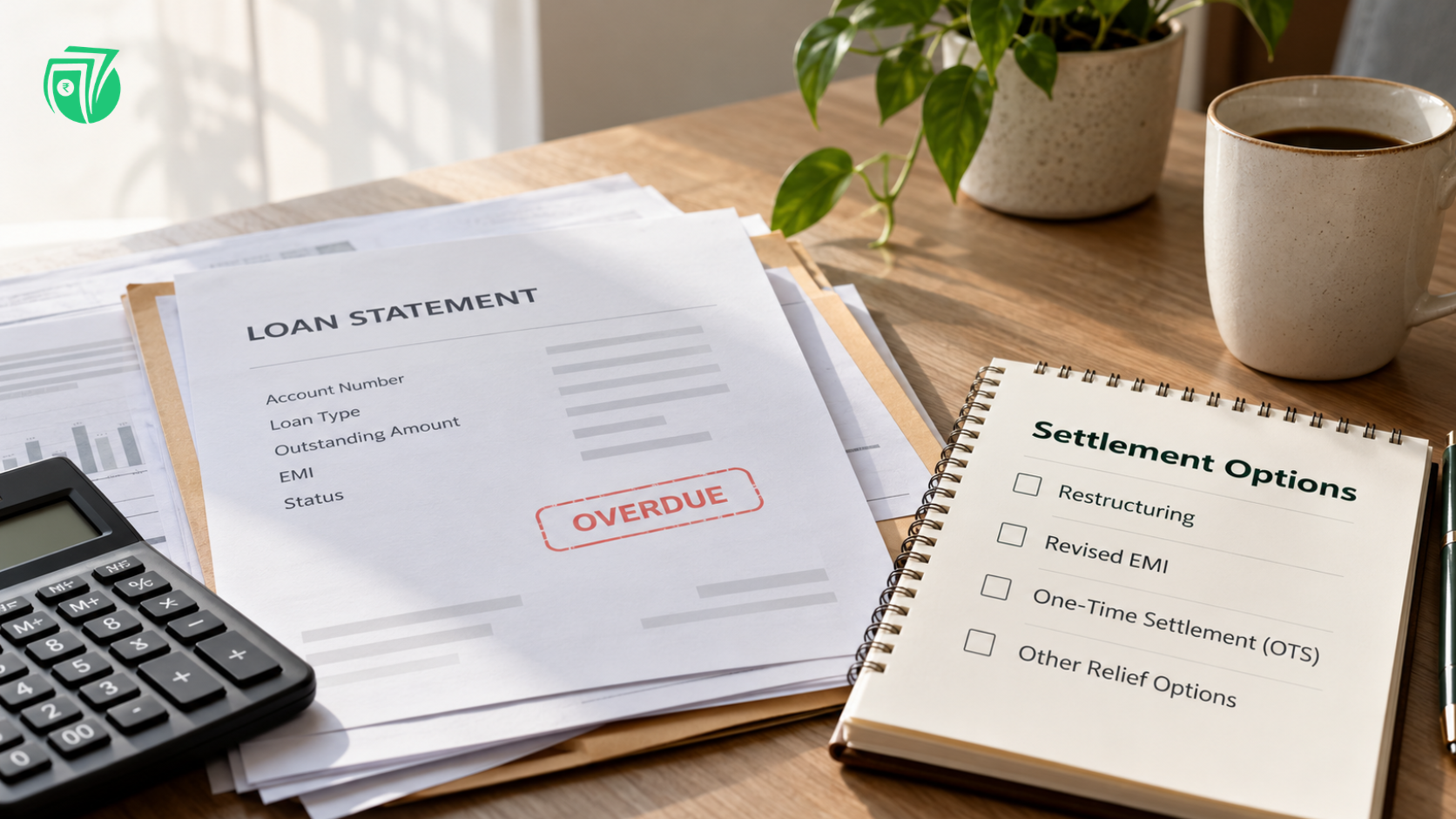
Before you settle, it is worth asking whether there is a way to repay in full on easier terms. Depending on your situation and the bank’s approval, options may include:
| Option | How it works | Best suited for |
|---|---|---|
| Loan restructuring | The bank revises your repayment terms, often by extending the tenure to reduce the EMI | Borrowers whose income has dropped but not stopped |
| Revised repayment plan | Overdue amounts are spread over a few months alongside regular EMIs | Short-term cash crunch |
| Part prepayment | You pay a lump sum to reduce principal, lowering future EMIs | Borrowers with some savings or incoming funds |
| Debt consolidation | Several high-interest debts are combined into one lower-cost loan | Borrowers with multiple loans and a decent credit profile |
| Settlement | The bank accepts a reduced one-time amount and closes the account | Genuine, long-term hardship where full repayment is not realistic |
Restructuring or a revised plan may cost more in total interest, but your account can still end up as closed rather than settled. Compare the total cost and the credit-report impact of each option before deciding.
Impact of Loan Settlement on CIBIL Score
Here is the honest part: settlement usually hurts your credit profile. Your account is likely to be reported as “Settled” instead of “Closed”, and lenders see that as a sign the original loan was not fully repaid.
In practical terms, this can mean:
- A drop in your CIBIL score, on top of any damage already caused by missed EMIs
- Difficulty getting new loans or credit cards for some time
- Higher interest rates or stricter terms when you do get approved
How long the effect lasts depends on your overall credit behaviour afterwards. There is no single fixed period that applies to everyone.
Can you improve your score after settlement?
Yes, gradually. Many borrowers rebuild by paying all remaining bills on time, keeping credit card usage low and, in some cases, using a secured credit card responsibly.
Some borrowers later choose to pay the waived amount to the bank and request that the status be updated to “Closed”. Whether this is possible depends on the bank, so ask Axis Bank directly and get its response in writing.
What to Check in the Settlement Letter
The settlement letter is your most important document. Read it slowly, and do not pay until every point below is clear:
- Your full name and correct loan account number
- The exact settlement amount in figures and words
- The payment deadline, and whether instalments are allowed
- The official payment method and bank account details
- A clear statement that the amount is in full and final settlement of the account
- Confirmation that the remaining dues will not be pursued after payment
- How the account will be reported to credit bureaus
- Issued on Axis Bank letterhead or through official bank communication, with a reference number
If something is missing or unclear, ask the bank to correct it in writing before you pay. A vague letter can lead to disputes later.
What to Do After Settlement Payment
Paying the amount is not the last step. Protect yourself with these follow-ups:
- Save every proof. Keep the payment receipt, transaction reference and settlement letter together, both digitally and on paper.
- Get a No Dues Certificate. Ask Axis Bank for written confirmation that no further amount is payable on the account.
- Check your credit report. After a reasonable time, review your CIBIL report and other bureau reports to confirm the account status has been updated correctly.
- Raise a dispute if needed. If the account still shows overdue amounts or incorrect details, raise it with the bank and the credit bureau, with your documents attached.
- Start rebuilding. Pay every remaining bill on time and keep new borrowing modest while your credit history recovers.
Frequently Asked Questions
Does Axis Bank offer loan settlement?
Axis Bank describes one-time loan settlement as an option that may be considered in specific circumstances. Approval depends on the bank’s applicable policy and the borrower’s individual case.
How can I approach Axis Bank for loan settlement?
Review your outstanding loan details, gather genuine financial hardship documents and contact Axis Bank through its official customer service or relevant collections channel to ask about available resolution options.
What documents may be needed for loan settlement?
Depending on the bank’s requirements, documents may include loan statements, identity documents, bank statements and evidence of financial hardship such as job loss or medical expenses.
Does Axis Bank loan settlement affect CIBIL score?
Loan settlement can negatively affect your credit history because the account may be reported as settled rather than closed after full repayment. Check your credit report after settlement and follow up on any inaccurate reporting.
What alternatives should I consider before settling a loan?
Depending on your circumstances and the bank’s approval, alternatives may include revised repayment terms, restructuring or other repayment arrangements. Compare their costs and implications before deciding.
Need Help Understanding Your Options?
Every borrower’s situation is different, and the right path is not always settlement. If you are struggling with Axis Bank EMIs and are unsure what to do next, the TrueSettle team can help you understand your options, organise your documents and prepare for a conversation with your bank.
[Book a free consultation with TrueSettle →]
We do not promise any particular waiver, approval or credit-score outcome. Final settlement decisions rest solely with the bank.
Disclaimer: This article is for general information only and does not constitute financial or legal advice. Bank policies and terms may change. Please confirm current details directly with Axis Bank or a qualified professional before making any decision.
Suggested internal links: CIBIL score recovery after settlement · Loan settlement vs loan waiver · Credit card settlement guide · What happens if you miss EMIs · Other bank-specific settlement guides.