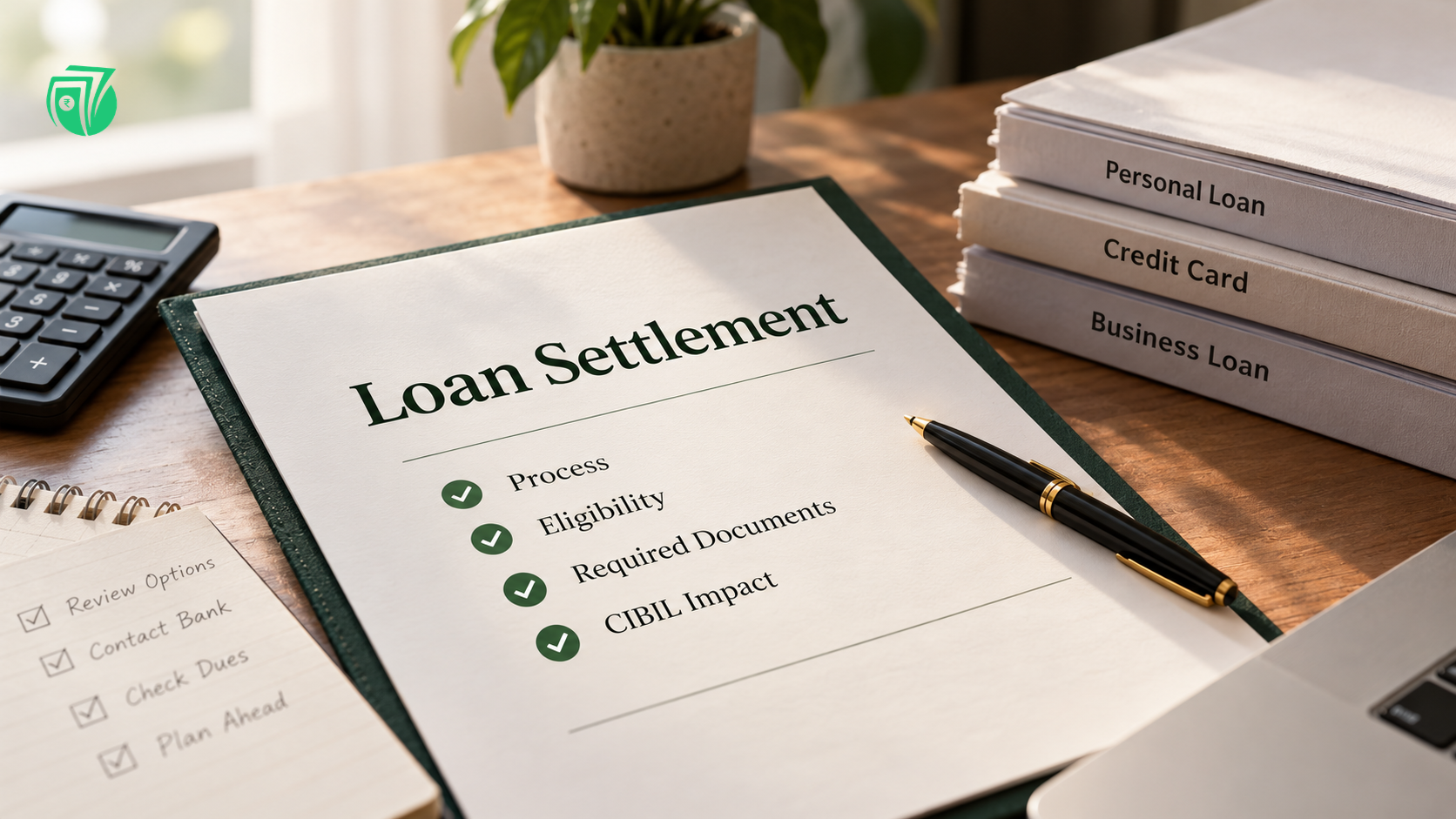
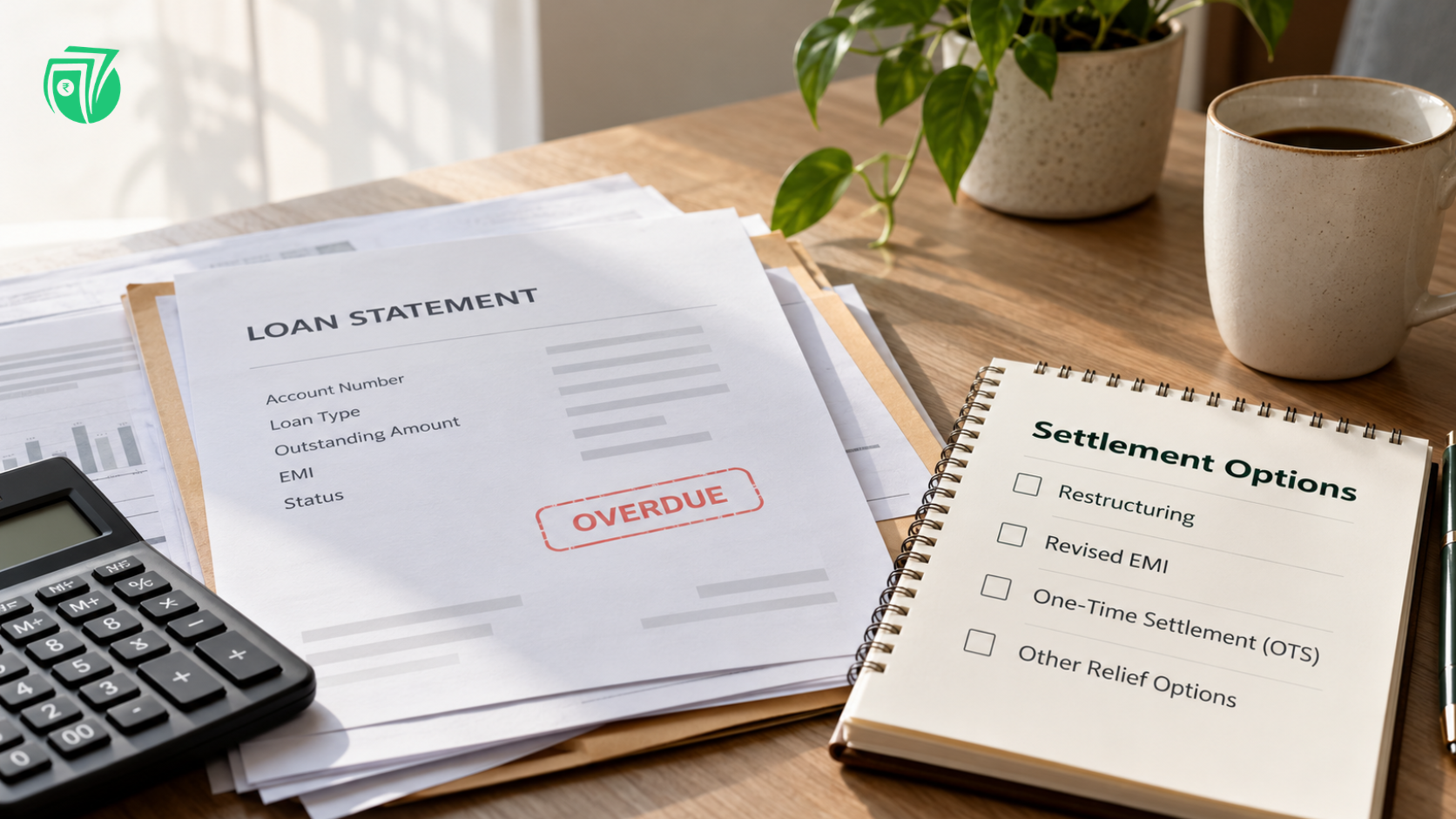
Settlement is an arrangement where ICICI Bank agrees to accept less than your full outstanding balance as a final resolution of your loan, commonly called a One-Time Settlement (OTS). It’s different from repaying the loan in full according to the original schedule.
A few things worth understanding upfront:
- Settlement requires ICICI Bank’s agreement. You can’t declare a settlement on your own. It has to be negotiated and accepted.
- It isn’t automatic debt forgiveness. The bank evaluates your account and circumstances before deciding whether to offer settlement, and on what terms.
- There’s no fixed, published settlement percentage. Any number you’ve seen quoted elsewhere (40%, 50%, etc.) is illustrative, not a rate ICICI Bank has publicly committed to for every borrower.
- It operates within RBI rules. The RBI requires regulated lenders to maintain board-approved policies for compromise settlements (RBI framework), but that doesn’t make any individual borrower automatically eligible.

Who Might ICICI Bank Consider for Loan Settlement?
Settlement discussions are generally more relevant when:
- You’re facing genuine, documented financial hardship (job loss, income reduction, medical emergency, business loss)
- Your loan has been overdue for a meaningful period, not just a single missed EMI
- You have a realistic lump sum you can offer, even if it’s less than the full outstanding amount
- Continuing the original repayment schedule genuinely isn’t achievable
If you can still manage your EMIs, even with some difficulty, it’s worth asking whether ICICI Bank can offer restructuring or a revised repayment plan before pursuing settlement. Settlement carries real credit-report consequences that are worth avoiding if full repayment remains realistic.
What Factors Affect an ICICI Bank Loan Settlement Amount?
- Your total outstanding balance: principal, interest, and any penalty or bounce charges accrued.
- How long the loan has been in default, and its current stage in the bank’s collection or recovery process.
- Your documented financial hardship: specific, evidenced circumstances tend to carry more weight than a general statement of difficulty.
- Your realistic lump-sum capacity: what you can actually arrange to pay, not an aspirational figure.
- Your repayment history on the loan up to that point.
For example, purely as an illustration: a borrower who owes ₹4,80,000 after a job loss and can arrange ₹2,50,000 might make that offer with supporting documents. The bank could accept, counter with a higher amount, propose instalments, or decline. Each is a normal outcome.
How to Approach ICICI Bank About Settling Your Loan
Step 1: Check Your Exact Outstanding Amount
Log into iMobile Pay or ICICI internet banking, or request a loan statement, for the precise figure: principal, interest, and any penalty charges.
Step 2: Assess What You Can Realistically Offer
Work out your monthly income, essential expenses, other obligations, and any savings or lump sum you could genuinely put toward a settlement.
Step 3: Contact ICICI Bank Through Official Channels
Reach out via ICICI Bank’s official customer care, your branch, or its debt service pages. Avoid relying on informal calls or messages from numbers you can’t verify as genuinely representing the bank.
Step 4: Explain Your Financial Hardship
Be specific and, where possible, provide supporting documentation (termination letter, medical bills, recent bank statements, proof of reduced income).
Step 5: Discuss and Negotiate the Settlement Terms
Understand the proposed amount, payment deadline, and any conditions before agreeing to anything.
Step 6: Get the Settlement Terms in Writing
Never proceed based on a verbal assurance alone. Insist on a written settlement letter on ICICI Bank’s letterhead or official email before making any payment.
Step 7: Make the Payment Through an Authorised Channel
Pay exactly the agreed amount, before the stated deadline, using ICICI Bank’s official payment methods only.
Step 8: Collect Post-Settlement Documentation
Keep your payment receipts and request a final confirmation or No Dues letter stating the loan has been settled and nothing further is payable.
What Should the ICICI Bank Settlement Letter Include?
Before paying, check that the settlement letter or official email from ICICI Bank clearly states:
- Your name and loan account number
- The total outstanding amount
- The agreed settlement amount
- The payment deadline (and instalment dates, if payment is split)
- The accepted payment method
- Confirmation of what happens to any remaining balance
- What happens if you miss a settlement payment
- The status that will be reported to credit bureaus
Does Settling an ICICI Bank Loan Affect Your CIBIL Score?
Yes. A few points worth understanding:
- A settled loan is typically reported as “Settled,” not “Closed.” These are distinct statuses, and future lenders read them differently. TransUnion CIBIL notes that a “Settled” status can make it harder to get credit later (CIBIL on settled status).
- This generally has a negative impact on your credit score and can affect your ability to borrow for a period of time.
- The exact impact varies depending on your overall credit profile and history. There’s no fixed number of points every borrower loses.
- Responsible financial behaviour afterward (paying other obligations on time, keeping credit utilisation low) helps rebuild your credit profile gradually.
- Check your credit report 30 to 60 days after settlement and raise a dispute if the account is reported incorrectly.
ICICI Bank Loan Settlement vs Full Repayment
| Factor | Full Repayment | Settlement |
|---|---|---|
| Amount paid | Full outstanding dues | Reduced, negotiated amount |
| Credit reporting | Generally reported as “Closed” | May be reported as “Settled” |
| Credit impact | Generally more favourable | Can negatively affect future borrowing |
| Best suited for | Borrowers who can repay in full | Genuine, documented financial hardship |
Common Mistakes to Avoid
- Assuming there’s a fixed settlement percentage ICICI Bank applies to every borrower. There isn’t one.
- Paying before getting written confirmation of the settlement terms.
- Making payments through an unverified channel or to an individual’s account instead of ICICI Bank’s official payment methods.
- Stopping EMI payments just to force a settlement conversation. This damages your credit history without guaranteeing anything.
- Not keeping records of payment receipts and settlement correspondence.
- Assuming “Settled” will show as “Closed” on your credit report. It typically won’t.
Frequently Asked Questions
Can I settle my ICICI Bank personal loan?
In many cases, yes, particularly if you’re facing genuine financial hardship and can offer a realistic lump sum. ICICI Bank evaluates each case individually, and approval isn’t guaranteed.
What percentage will ICICI Bank accept for settlement?
There’s no fixed, published percentage. The amount depends on your outstanding balance, documented hardship, and the bank’s own assessment of your account.
How do I contact ICICI Bank about loan settlement?
Through ICICI Bank’s official customer care, your branch, or its official debt service channels. Avoid relying on unverified calls or messages claiming to represent the bank.
Does ICICI Bank loan settlement affect my CIBIL score?
Yes. A settled loan is generally reported as “Settled” rather than “Closed,” which typically has a negative impact on your credit score for a period of time.
What documents do I need to request a settlement?
Typically your loan statement, PAN and ID proof, recent bank statements, income proof, and documentation supporting your hardship, such as a termination letter or medical bills.
Can ICICI Bank reject my settlement request?
Yes. Settlement is at the bank’s discretion. It may decline, ask for more documents, or suggest restructuring instead.
Should I pay before receiving written settlement terms?
No. Always get the settlement amount, deadline, and terms confirmed in writing on official ICICI Bank letterhead or email before making any payment.
If you’re unsure whether settlement, restructuring, or another option fits your ICICI Bank loan situation, it helps to get a clear, honest assessment before deciding.
👉 Get a free debt assessment with TrueSettle
👉 Explore your debt resolution options before approaching ICICI Bank.