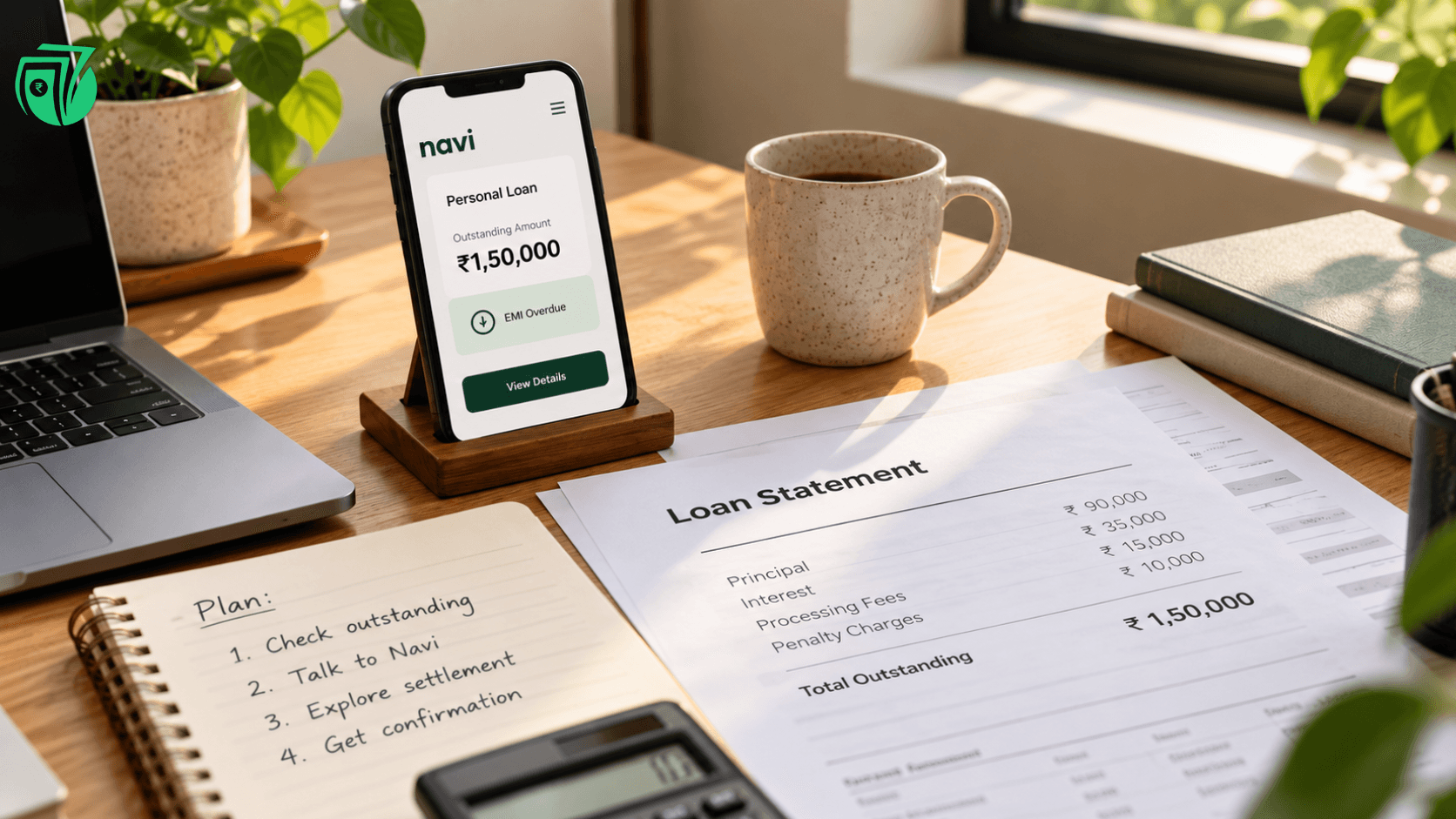
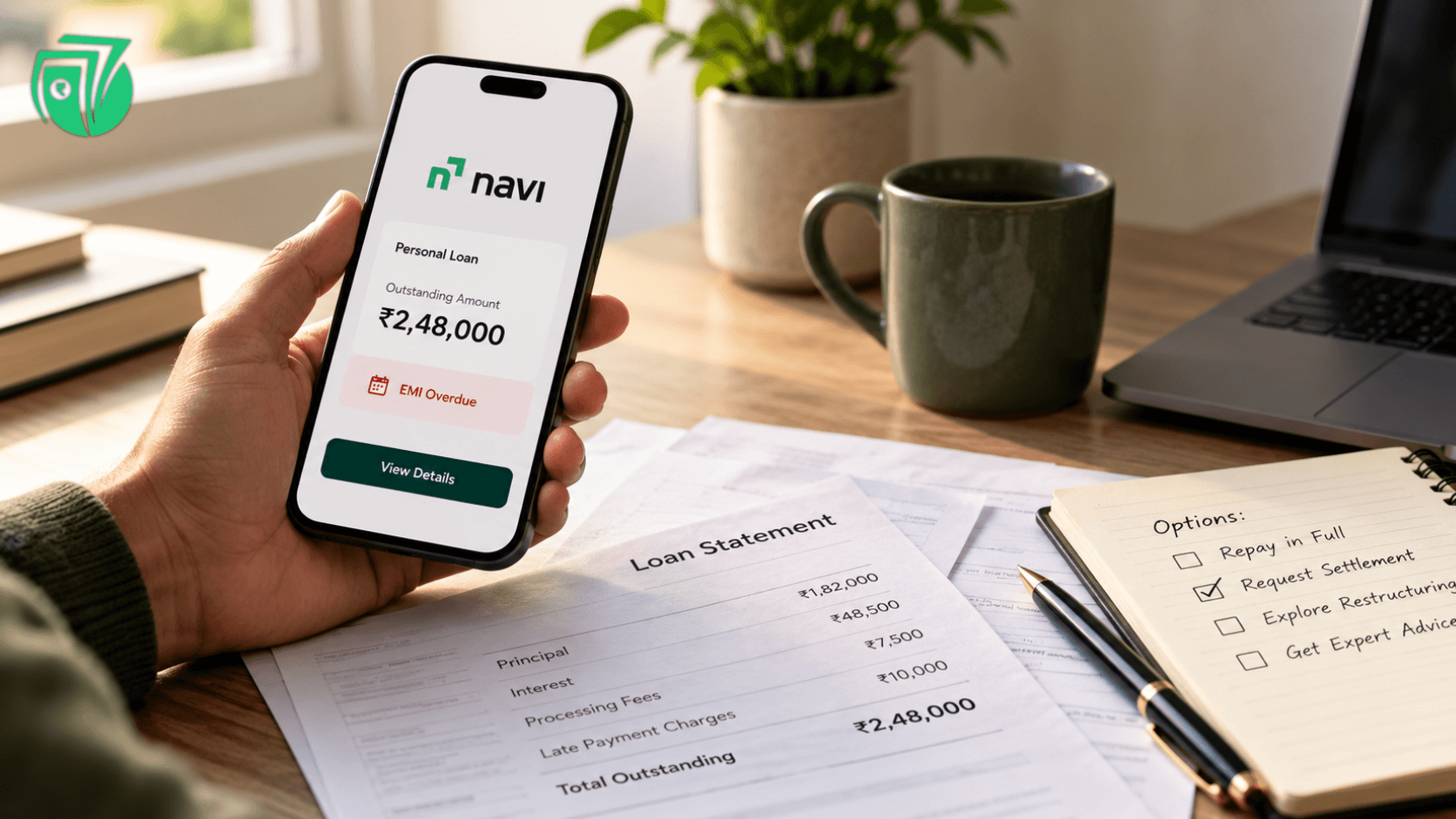
Loan settlement mistakes can genuinely create bigger financial problems when borrowers rush through the process or skip important checks. From accepting verbal settlement terms to making payments without proper confirmation, these mistakes can affect both your finances and credit record.
In this guide, we cover the 3 most common loan settlement mistakes borrowers make, what can go wrong, and how these issues can be avoided.
Note: Client situations described below are anonymised and adapted for illustration, reflecting patterns we commonly see rather than a single verified case. Details have been generalised to protect client confidentiality.
Why Settlement Mistakes Can Cost Borrowers More
Loan settlement isn’t a single transaction — it’s a process involving negotiation, documentation, and a payment made under specific agreed conditions. Skip a step, or move too fast through one, and you can end up with an outcome very different from what you intended: a payment made against unclear terms, a dispute over what was actually agreed, or a credit report that doesn’t reflect the resolution the way you expected.
None of these mistakes are unusual. They’re common precisely because settlement conversations often happen under pressure — during a stressful call, with a deadline looming, and without much time to think it through. That’s exactly why they’re worth understanding in advance.
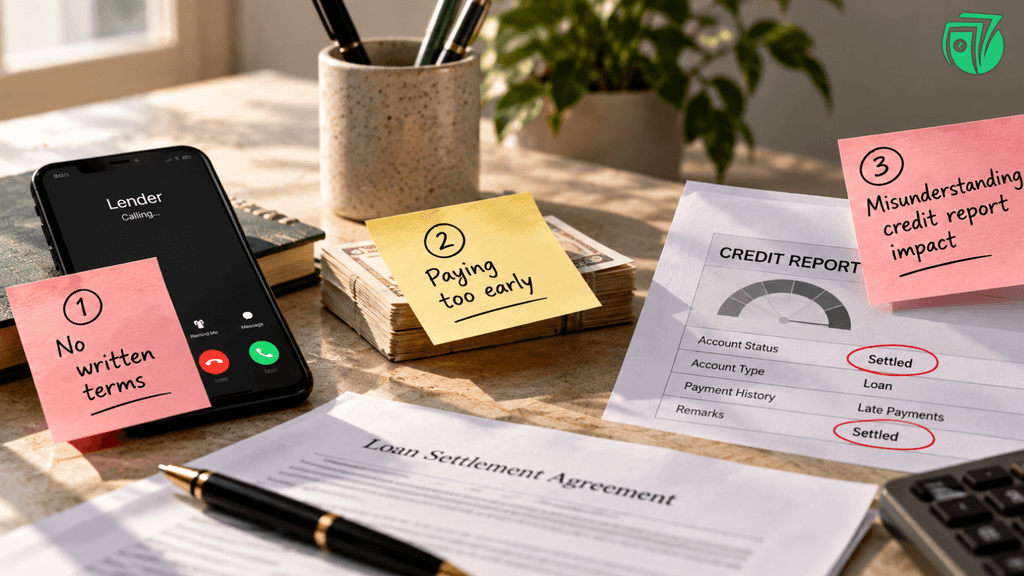
Mistake #1: Agreeing to a Settlement Without Getting It in Writing
This is, by far, the most common mistake we see. A borrower speaks with a recovery agent or lender representative, agrees on a settlement amount over the phone, and treats that verbal conversation as the final word.
Why this is risky: A verbal agreement offers no protection if there’s ever a disagreement about what was actually promised. Recovery teams handle high volumes of accounts, staff change, and details get lost. Without documentation, a borrower has no way to prove what was agreed if the lender’s records show something different later.
What a proper settlement letter should contain:
- The exact outstanding amount being settled
- The agreed settlement amount
- The payment deadline
- Confirmation that the payment will close the account in full
- The loan or account number
- Any conditions attached to the offer
A client situation we worked through: One client came to us after verbally agreeing to a settlement figure with a collections representative, only to find that the amount later “confirmed” by the lender’s back office was higher than what had been discussed. Because there was no written record of the original conversation, the client had no basis to dispute the discrepancy. We helped renegotiate the terms and insisted on a written settlement letter before any payment moved forward — which ultimately gave the client a documented, enforceable agreement to work from.
The lesson: Treat any verbal settlement figure as provisional until it’s confirmed in writing. A legitimate offer will hold up on paper.
Mistake #2: Making a Payment Before Confirming the Settlement Terms
The second mistake usually follows close behind the first: paying quickly, often out of relief or pressure, before the terms have been properly verified.
Why this is risky: Paying based on an informal WhatsApp message, a phone call, or an unofficial email leaves a borrower exposed. If the amount, deadline, or payment channel wasn’t verified against the lender’s actual records, the payment might not be applied the way the borrower expects — or worse, might not be recognised as a settlement payment at all.
What we recommend before paying:
- Verify the settlement amount and deadline directly against the written terms
- Confirm you’re using the lender’s authorised, official payment channel — never a third-party account or an unfamiliar payment link
- Keep the payment receipt and reference number
- Only proceed once the written settlement letter is in hand
A client situation we worked through: A client was asked to make a settlement payment to an account number shared informally over a call, without any written confirmation of the terms. Before proceeding, we helped verify the settlement details directly with the lender’s official channel — and confirmed the correct, authorised payment route. This avoided a situation where the payment might have gone toward the wrong reference, or where the client would have had no documented proof the payment was tied to an agreed settlement.
The lesson: Confirmation comes before payment, never after. If a lender is unwilling to provide written terms before you pay, treat that as a signal to slow down.
Mistake #3: Assuming Settlement Automatically Means “Closed” on the Credit Report
This mistake shows up after the settlement is complete — often as a surprise, when a client checks their credit report expecting to see “Closed” and instead finds “Settled.”
Settled vs. Closed: A “Closed” account reflects that the full outstanding amount was repaid as originally agreed. A “Settled” account reflects that the lender accepted less than the full amount owed. They are reported differently, and lenders reviewing future credit applications treat them very differently — a settled account is generally read as a sign that the borrower didn’t fully honour the original agreement.
Why this matters: A settlement resolves the debt itself, but it doesn’t erase the fact that it was settled rather than repaid in full. That distinction typically remains visible on the credit report for a number of years, and it can affect eligibility for future credit even after the account is fully resolved.
A client situation we worked through: A client assumed that once the settlement payment cleared and the No Dues Certificate was received, their credit report would simply show the account as fully closed. When it instead appeared as “Settled,” they were understandably frustrated. We walked them through what the status actually meant, checked that the lender had reported it accurately, and helped them build a realistic plan for rebuilding their credit profile over the following months.
The lesson: Go into a settlement with accurate expectations about how it will appear on your credit report. It’s a resolution of the debt, not an erasure of the fact that it was settled.
What We Changed for These Clients
| Mistake | Problem | Fix | Lesson |
|---|---|---|---|
| No written terms | Unclear, unenforceable agreement | Obtained documented settlement terms before proceeding | Get everything in writing |
| Payment before confirmation | Financial and documentation risk | Verified settlement terms and payment channel first | Confirm before paying |
| Misunderstanding credit reporting | Incorrect expectations after settlement | Reviewed post-settlement reporting and planned credit rebuilding | Settlement ≠ Closed |
How to Avoid These Settlement Mistakes Yourself
A practical checklist to work through before and during any settlement negotiation:
- Verify your exact outstanding balance before discussing any settlement figure.
- Make sure you clearly understand the settlement amount being offered.
- Request written terms — don’t rely on a verbal agreement.
- Check the payment deadline carefully.
- Confirm the payment method is the lender’s official, authorised channel.
- Keep every receipt and payment reference.
- Collect your NOC or No Dues Certificate once the payment is processed.
- Check your credit report after the lender updates it, to confirm accurate reporting.
What to Check Before Accepting Any Settlement Offer
Before you agree to anything, make sure the following are clear and, ideally, documented:
- Your loan or account number
- The exact outstanding amount
- The settlement amount being offered
- The payment deadline
- The approved payment method
- What happens once the payment is made
- Written confirmation of what remaining liability (if any) exists
- How the account will be reported to credit bureaus afterward
Frequently Asked Questions
What are the most common loan settlement mistakes?
The most common ones we see are agreeing to terms without getting them in writing, making a payment before confirming those terms, and misunderstanding how a settled account appears on a credit report.
Should I accept a verbal settlement offer?
You can treat a verbal offer as a starting point, but you shouldn’t finalise or pay against it until you have the terms confirmed in writing.
Should I pay before receiving a settlement letter?
No. Payment should only happen after you’ve received and reviewed the written settlement terms, including the amount, deadline, and payment method.
Does loan settlement show as closed on CIBIL?
No. A settled account is typically reported as “Settled,” which is distinct from “Closed” and generally remains visible on your credit report for a number of years.
What documents should I collect after settlement?
Keep the written settlement letter, your payment receipt, and the lender’s No Dues Certificate or NOC once the payment has been processed.
Can a settlement offer be cancelled or revoked?
It’s possible, particularly if terms weren’t finalised in writing or if payment conditions weren’t met by the agreed deadline — another reason to have everything documented upfront.
How can I avoid mistakes during loan settlement?
Verify your outstanding balance, get all terms in writing before paying, use only the lender’s authorised payment channel, and check your credit report after the settlement is reported.
If you’re negotiating a settlement and want to avoid these kinds of costly missteps, having someone review the terms with you before you commit can make a real difference.
👉 Get a free debt assessment with TrueSettle before you finalise any settlement.
👉 Explore your debt resolution options to see what approach fits your situation best.